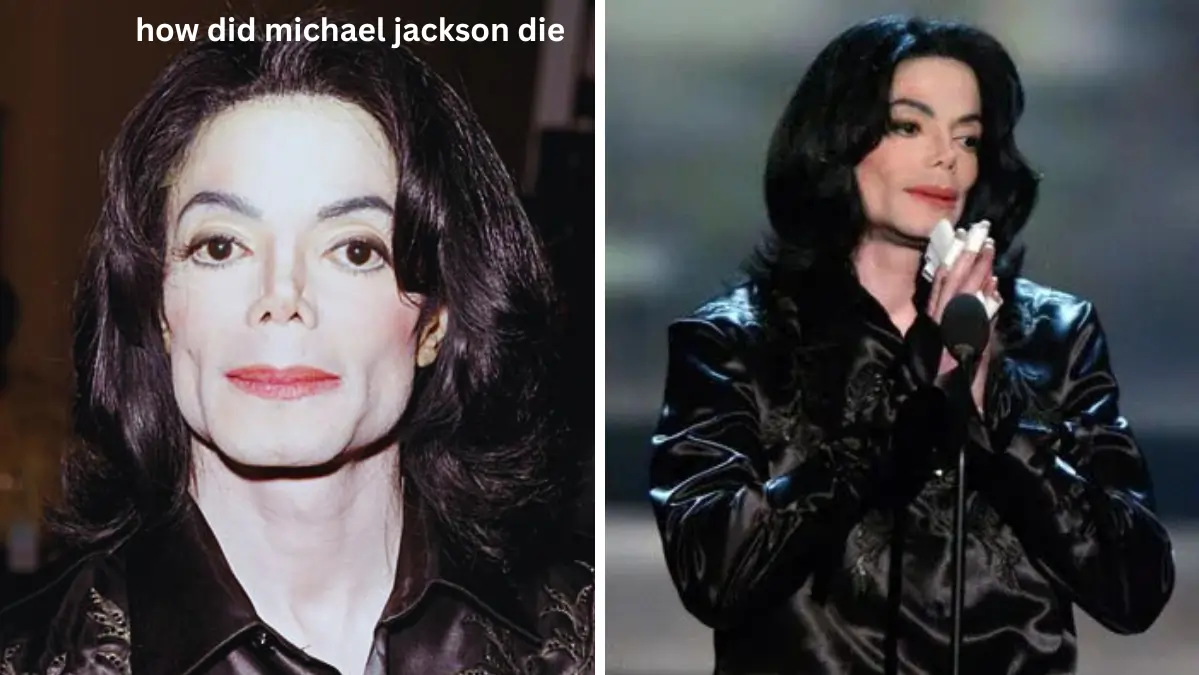
The death of Michael Jackson remains one of the most shocking moments in music history. Fans around the world were stunned when news broke on June 25, 2009, that the King of Pop had passed away at the age of 50. His sudden death triggered an outpouring of grief, widespread media coverage, and years of discussion about the circumstances surrounding his final days.
For many people, the question of how did michael jackson die continues to generate interest because of the complex medical and legal details involved. Jackson was preparing for what was expected to be one of the biggest comeback tours in entertainment history. Instead, his death became a tragic reminder of the risks associated with powerful medications and inadequate medical oversight.
Understanding the full story requires looking at his health, his preparations for upcoming performances, the medical findings, and the legal consequences that followed. This article provides a comprehensive overview of the events that led to his death and the impact it had on music, popular culture, and the entertainment industry.
Michael Jackson’s Life Before His Final Days
Michael Jackson was already a global icon long before his death. Rising to fame as a child with the The Jackson 5, he later transformed into one of the most successful solo artists in history. Albums such as Thriller, Bad, and Dangerous changed the music industry forever.
By 2009, Jackson had spent decades under intense public scrutiny. His extraordinary success came with enormous pressure. Financial challenges, personal controversies, and ongoing media attention had created significant stress in his life. Despite these difficulties, he remained one of the most recognizable entertainers in the world.
As he prepared for his planned comeback concerts in London, there was renewed excitement among fans. The series of shows promised to showcase his legendary performance skills and introduce a new chapter in his career. Behind the scenes, however, reports indicated that Jackson was struggling with sleep issues and physical exhaustion.
The This Is It Concert Preparations
One of the most important factors in understanding how did michael jackson die is the demanding schedule surrounding the planned “This Is It” concert series. Announced in early 2009, the residency was scheduled to take place at The O2 in London.
Initially planned as a limited engagement, overwhelming demand led to additional shows being added. Eventually, the schedule expanded significantly, increasing the pressure on Jackson and his team. Rehearsals became intense, requiring long hours of dancing, singing, and production planning.
People who worked with Jackson during rehearsals often described him as dedicated and focused. At the same time, some reports suggested that he was experiencing difficulty sleeping and coping with the physical demands of preparing for such a major return to the stage.
The concert preparations became an important part of the discussion after his death because investigators examined whether the pressure of the upcoming performances contributed to the circumstances that unfolded.
The Events of June 25, 2009
The answer to how did michael jackson die centers on the events of June 25, 2009. On that day, Jackson was at his rented mansion in the Holmby Hills area of Los Angeles. According to official reports, he had been receiving medical care from his personal physician, Conrad Murray.
Jackson reportedly struggled with severe insomnia and had difficulty obtaining restful sleep. During the morning hours, he was administered medications intended to help him sleep. Shortly afterward, he became unresponsive.
Emergency services were contacted, and paramedics arrived at the residence. Despite extensive efforts to revive him, Jackson could not be saved. He was transported to Ronald Reagan UCLA Medical Center, where he was pronounced dead later that day.
News of his death spread rapidly across the globe. Television networks interrupted regular programming, websites experienced record traffic, and fans gathered in cities worldwide to mourn the loss of one of music’s greatest stars.
Official Cause of Death
The official medical findings provide the clearest explanation of how did michael jackson die. The investigation conducted by the Los Angeles County Department of Medical Examiner-Coroner determined that Jackson died from acute propofol intoxication, combined with the effects of other sedative medications.
Propofol is a powerful anesthetic typically used in hospital settings. It is commonly administered during surgeries and medical procedures under close supervision. Medical experts generally consider it inappropriate for treating ordinary insomnia outside a properly equipped medical environment.
The toxicology report found evidence of propofol along with other medications in Jackson’s system. Investigators concluded that the combination of drugs caused respiratory failure and cardiac arrest.
The death was officially ruled a homicide. In this context, homicide is a medical classification indicating that another person’s actions contributed to the death. It does not automatically determine criminal guilt, but it became a critical factor in the legal proceedings that followed.
Understanding Propofol and Its Risks
To fully understand how did michael jackson die, it is important to examine the medication at the center of the case. Propofol is an intravenous anesthetic known for its rapid onset and short duration. Hospitals frequently use it because patients typically recover quickly after administration.
However, propofol can be extremely dangerous when not properly monitored. It has the potential to suppress breathing and affect cardiovascular function. For this reason, patients receiving propofol are generally monitored with specialized equipment and trained medical personnel.
Medical experts involved in the Jackson case emphasized that propofol was not intended as a routine sleep aid. The conditions under which it was reportedly administered became a major focus of both medical and legal investigations.
The case sparked broader discussions within the healthcare community regarding patient safety, medication management, and the responsibilities of physicians treating high-profile clients.
Key Facts About Michael Jackson’s Death
| Category | Details |
|---|---|
| Date of Death | June 25, 2009 |
| Age | 50 Years Old |
| Location | Los Angeles, California |
| Official Cause | Acute Propofol Intoxication |
| Manner of Death | Homicide |
| Physician Involved | Conrad Murray |
| Planned Tour | This Is It |
| Public Memorial | July 7, 2009 |
The Investigation Following His Death
Authorities launched a detailed investigation immediately after Jackson’s death. Detectives reviewed medical records, interviewed witnesses, and examined evidence collected from the singer’s residence.
Investigators sought to determine exactly what medications had been administered and under what circumstances. Medical experts analyzed toxicology results while law enforcement officials reconstructed the timeline leading to Jackson’s death.
The investigation attracted global attention. Media outlets reported extensively on each development, and millions of people followed the case closely. Every new piece of information fueled public interest and speculation.
As evidence accumulated, authorities increasingly focused on the role of Jackson’s physician. Questions arose regarding the administration of anesthetic drugs, monitoring procedures, and adherence to accepted medical standards.
The Trial of Conrad Murray
The legal proceedings that followed became one of the most closely watched celebrity cases in recent history. Prosecutors argued that Conrad Murray had acted negligently by administering propofol outside a proper medical setting and failing to provide appropriate monitoring.
The trial included testimony from medical experts, emergency responders, and individuals connected to Jackson’s care. Evidence presented in court detailed the medications involved and the circumstances surrounding Jackson’s final hours.
One quote frequently cited during discussions of the case came from prosecutors, who described Jackson as having been placed in an unsafe medical situation. The trial emphasized that patient safety standards had not been adequately followed.
In 2011, Murray was convicted of involuntary manslaughter. The verdict marked a significant moment in the legal aftermath of Jackson’s death and provided a measure of closure for many observers who had followed the case closely.
Public Reaction Around the World
The global reaction to Jackson’s death was unprecedented. Fans gathered in public spaces across continents to honor his memory. Memorials appeared outside music venues, landmarks, and locations associated with his career.
Television stations dedicated extensive coverage to his life and achievements. Radio stations played his music continuously, while social media platforms experienced extraordinary levels of activity. Many internet services reported record-breaking traffic as people searched for information and shared tributes.
One of the most memorable public statements came from fans who described Jackson as “the soundtrack of their lives.” The emotional response reflected the profound impact he had on multiple generations.
His death united people from diverse backgrounds through a shared appreciation of his artistic contributions. The scale of mourning demonstrated his unique position in global culture.
The Memorial Service and Farewell
A public memorial service was held on July 7, 2009, at Staples Center in Los Angeles. The event attracted worldwide attention and was broadcast internationally.
Family members, friends, and fellow entertainers paid tribute to Jackson’s life and accomplishments. Emotional speeches highlighted both his extraordinary talent and his role as a father, brother, and humanitarian.
One of the most touching moments occurred when family members spoke about their personal memories of Jackson. These reflections provided a glimpse into the private individual behind the global superstar image.
The memorial became one of the most-watched events in television history and remains a significant cultural moment associated with his passing.
Michael Jackson’s Lasting Legacy
Although discussions about how did michael jackson die continue today, his artistic legacy remains equally important. Jackson transformed popular music through innovation, creativity, and groundbreaking performances.
His influence can be seen in countless artists who followed him. Modern performers frequently cite him as an inspiration for their music, choreography, and stage production. His music videos changed industry standards and elevated the visual storytelling aspect of popular music.
Beyond entertainment, Jackson supported numerous charitable causes throughout his life. His humanitarian efforts included donations, fundraising activities, and advocacy for children and disadvantaged communities.
His catalog continues to attract new audiences, proving that his work transcends generations and cultural boundaries.
The Impact on the Entertainment Industry
Jackson’s death prompted significant reflection within the entertainment industry. Managers, promoters, and medical professionals began paying closer attention to artist health and well-being.
The case highlighted concerns about the pressures faced by performers preparing for major tours and productions. Industry leaders increasingly recognized the importance of balancing commercial demands with physical and mental health considerations.
Medical oversight for touring artists also received greater scrutiny. Discussions about prescription medication use, physician responsibilities, and patient safety became more prominent following the tragedy.
Many observers believe the lessons learned from Jackson’s death contributed to broader conversations about health management within high-pressure entertainment environments.
Why People Still Search for Answers
Years after his passing, public interest remains strong. The question how did michael jackson die continues to appear in searches because Jackson’s death combined celebrity, medicine, law, and cultural history in a way few events ever have.
People are often drawn to the story because of the contrast between Jackson’s immense fame and the tragic circumstances of his final days. The case serves as both a historical event and a cautionary tale regarding medical treatment and personal health.
Documentaries, books, and news features continue to revisit the topic, ensuring that new generations learn about the events surrounding his death. At the same time, many fans remain focused on celebrating his achievements rather than dwelling solely on the tragedy.
The enduring fascination reflects Jackson’s extraordinary influence on popular culture and the lasting emotional connection many people feel toward his music.
Conclusion
The story of how did michael jackson die is ultimately a tragic chapter in the life of one of the world’s most influential entertainers. Michael Jackson died on June 25, 2009, after suffering acute propofol intoxication combined with other sedative medications. The official investigation concluded that his death was a homicide, leading to the conviction of his personal physician, Conrad Murray, for involuntary manslaughter.
While the circumstances surrounding his death continue to attract attention, Jackson’s legacy extends far beyond those final moments. His groundbreaking music, unforgettable performances, humanitarian efforts, and cultural impact remain deeply woven into global entertainment history. More than a decade after his passing, the King of Pop continues to inspire artists and audiences around the world, ensuring that his influence endures for generations to come.
FAQ
How did Michael Jackson die officially?
Michael Jackson officially died from acute propofol intoxication combined with other sedative medications. The medical examiner ruled his death a homicide because another person’s actions contributed to the fatal outcome.
What was propofol and why was it dangerous?
Propofol is a powerful anesthetic typically used during medical procedures in hospitals. It can suppress breathing and requires careful monitoring, making it risky when administered outside a properly equipped medical setting.
Who was convicted in connection with Michael Jackson’s death?
Conrad Murray, Michael Jackson’s personal physician, was convicted of involuntary manslaughter in 2011. Prosecutors argued that his medical care fell below accepted standards and contributed to Jackson’s death.
Where did Michael Jackson die?
Michael Jackson died in Los Angeles, California. He was found unresponsive at his residence in the Holmby Hills neighborhood before being transported to Ronald Reagan UCLA Medical Center.
Was Michael Jackson preparing for concerts before he died?
Yes. Jackson was preparing for the highly anticipated “This Is It” concert series in London. He had been participating in extensive rehearsals and production planning before his death.
Why is the question how did michael jackson die still popular?
Interest remains high because Michael Jackson was one of the most famous entertainers in history. The combination of medical, legal, and cultural factors surrounding his death continues to attract attention from fans, researchers, and the general public.
Read also: Zoe Kravitz Harry Styles: Exploring the Rumors, Friendship, and Cultural Impact of Two Modern Icons