
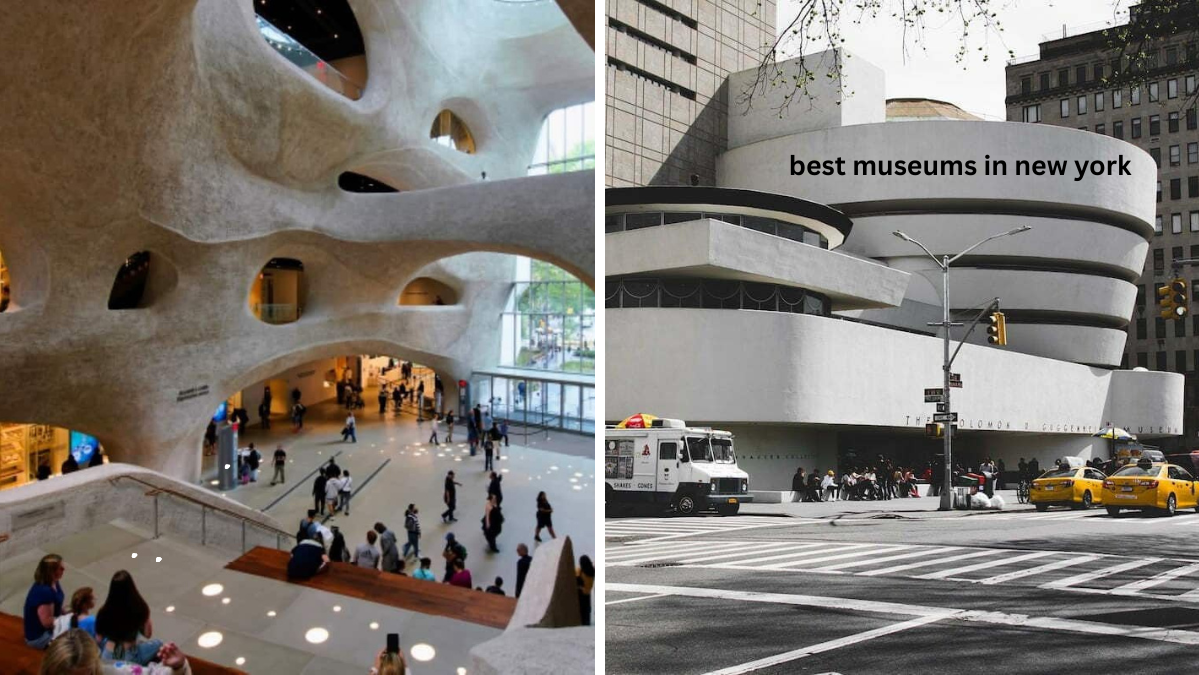
New York City is often described as the cultural capital of the world, and few places showcase that reputation better than its extraordinary museums. From iconic art institutions filled with masterpieces to immersive science centers, historical collections, and specialized cultural exhibits, the city offers experiences that appeal to every type of traveler. Whether you are a first-time visitor, a local resident, a student, or a passionate art enthusiast, exploring the best museums in New York can transform an ordinary day into an unforgettable journey through human creativity and achievement.
Museums in New York are much more than buildings filled with artifacts. They are living spaces where stories come to life, where history is preserved, and where innovation inspires future generations. Walking through these institutions allows visitors to travel across centuries, continents, and civilizations without ever leaving the city.
The museum landscape in New York is incredibly diverse. Some museums house priceless paintings by legendary artists, while others focus on natural history, science, immigration, photography, architecture, and contemporary culture. This remarkable variety ensures that everyone can find something fascinating to explore.
The city’s museums also play a crucial role in education and cultural preservation. Their exhibitions help people understand the past, appreciate artistic achievements, and engage with important social issues. For many visitors, museum experiences become some of the most memorable parts of their New York adventure.
Why New York Is Considered a Global Museum Destination
New York has earned its reputation as one of the world’s greatest cultural destinations because of the sheer quality and diversity of its museums. Few cities can match the concentration of internationally recognized institutions found within its boroughs.
The city attracts artists, historians, scientists, collectors, and curators from around the globe. As a result, museum collections continue to grow and evolve, reflecting both historical treasures and contemporary perspectives. Visitors can encounter ancient Egyptian artifacts in the morning, modern digital art in the afternoon, and groundbreaking scientific exhibits by evening.
Another reason New York stands apart is accessibility. Museums are located throughout Manhattan, Brooklyn, Queens, the Bronx, and Staten Island. This widespread distribution allows visitors to combine cultural exploration with neighborhood discovery, creating a richer understanding of the city itself.
Many institutions also offer special events, educational programs, lectures, workshops, and seasonal exhibitions that keep experiences fresh and engaging throughout the year.
Quick Comparison of New York’s Most Popular Museums
| Museum | Main Focus | Location | Ideal For |
|---|---|---|---|
| Metropolitan Museum of Art | Art and History | Manhattan | Art lovers and families |
| Museum of Modern Art | Modern Art | Manhattan | Contemporary art enthusiasts |
| American Museum of Natural History | Science and Nature | Manhattan | Families and students |
| Guggenheim Museum | Modern Art | Manhattan | Architecture and art fans |
| Whitney Museum | American Art | Manhattan | Contemporary culture enthusiasts |
| Brooklyn Museum | Art and Culture | Brooklyn | Diverse cultural exploration |
| Tenement Museum | Immigration History | Manhattan | History lovers |
| Intrepid Museum | Military and Aviation | Manhattan | Technology and military history fans |
| New Museum | Contemporary Art | Manhattan | Modern creativity seekers |
| Museum of the Moving Image | Film and Media | Queens | Entertainment and media enthusiasts |
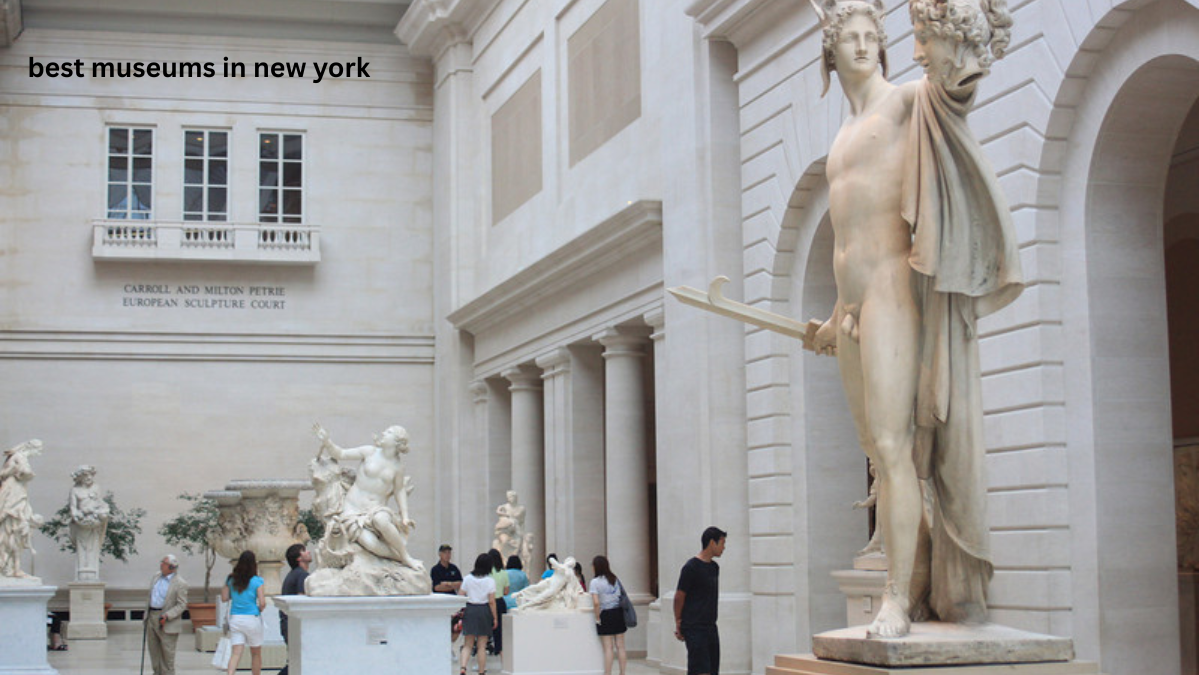
The Metropolitan Museum of Art: New York’s Cultural Crown Jewel
No discussion of the best museums in New York would be complete without highlighting the Metropolitan Museum of Art. Often simply called “The Met,” this institution stands among the most prestigious museums on Earth.
The museum’s collection spans more than five thousand years of human history. Visitors can explore ancient Egyptian temples, European masterpieces, Asian art, medieval armor, American decorative arts, and much more. The scale is astonishing, making it nearly impossible to see everything in a single visit.
One of the most remarkable aspects of The Met is its ability to connect cultures across time. A visitor may begin with artifacts from ancient civilizations and eventually arrive at modern works that reflect contemporary artistic expression. This journey demonstrates the continuity of human creativity throughout history.
The museum’s architecture, grand staircases, and iconic Fifth Avenue location further enhance its appeal. For many travelers, visiting The Met represents a defining New York experience.
As museum director Thomas Campbell once noted:
“Museums connect people with the creativity of humanity across time and geography.”
This philosophy is clearly reflected throughout The Met’s extensive galleries.
Museum of Modern Art and the Evolution of Contemporary Creativity
The Museum of Modern Art, commonly known as MoMA, is one of the world’s most influential institutions dedicated to modern and contemporary art. It has played a pivotal role in shaping public understanding of artistic innovation for nearly a century.
Visitors encounter masterpieces created by some of the most celebrated artists in history. Paintings, sculptures, photography, film, architecture, design, and digital media all coexist within MoMA’s carefully curated spaces.
The museum encourages viewers to think critically about creativity and innovation. Instead of simply admiring artworks, visitors are invited to explore how artists challenged conventions and introduced new perspectives.
MoMA’s constantly evolving exhibitions ensure that every visit offers fresh discoveries. Temporary installations often highlight emerging artists and experimental approaches that reflect current cultural conversations.
For travelers interested in understanding how art has evolved during the modern era, MoMA remains one of the essential destinations among the best museums in New York.
American Museum of Natural History and the Wonders of Science
The American Museum of Natural History has inspired generations of visitors through its fascinating exploration of science, nature, and the universe. Located near Central Park, this iconic institution combines education and entertainment on an extraordinary scale.
The museum is particularly famous for its dinosaur fossils, giant blue whale model, and extensive exhibits covering biodiversity, anthropology, geology, and astronomy. Families often spend entire days exploring its numerous halls.
One of the institution’s greatest strengths is its ability to make complex scientific concepts accessible. Interactive exhibits engage visitors of all ages, transforming learning into an exciting adventure.
The planetarium is another major attraction. Through immersive presentations, visitors can journey across galaxies, explore cosmic phenomena, and gain a deeper appreciation for humanity’s place in the universe.
The museum serves as a reminder that curiosity remains one of humanity’s most powerful tools for understanding the world.
The Guggenheim Museum and Architectural Brilliance
The Guggenheim Museum is unique not only because of its collection but also because of its architecture. Designed by legendary architect Frank Lloyd Wright, the building itself is considered a masterpiece.
Its distinctive spiral structure offers a museum experience unlike any other. Visitors ascend gradually while viewing artworks along the continuous ramp, creating a seamless flow between architecture and exhibition.
The collection emphasizes modern and contemporary art, featuring works that challenge traditional artistic boundaries. Temporary exhibitions frequently introduce audiences to new perspectives and emerging movements.
The museum demonstrates how architecture can become part of the artistic experience rather than simply serving as a container for art.
Many visitors consider walking through the Guggenheim as memorable as viewing the artworks themselves.
Whitney Museum of American Art and the Story of American Creativity
The Whitney Museum focuses exclusively on American art, making it one of the most important cultural institutions in the country. Its collection captures the evolution of American creativity across different eras and social contexts.
Visitors can explore works ranging from early twentieth-century paintings to cutting-edge contemporary installations. The museum’s emphasis on living artists ensures that exhibitions remain connected to current cultural conversations.
Located in Manhattan’s vibrant Meatpacking District, the Whitney offers stunning views of the city skyline and the Hudson River. These surroundings contribute to the museum’s modern and dynamic atmosphere.
The institution excels at showcasing how art reflects social change, political developments, and cultural diversity. Through its exhibitions, visitors gain valuable insights into the American experience.
Its dedication to contemporary voices makes it an essential stop for anyone interested in modern culture.
Brooklyn Museum and Cultural Diversity
The Brooklyn Museum is one of the largest and most diverse museums in the United States. Its collection spans continents, cultures, and centuries, providing visitors with a broad understanding of global artistic traditions.
Unlike some institutions that focus primarily on Western art, the Brooklyn Museum embraces a more inclusive approach. Visitors encounter African art, Indigenous works, feminist exhibitions, ancient artifacts, and contemporary installations.
This diversity reflects Brooklyn itself—a borough known for its multicultural character and creative energy.
The museum frequently hosts innovative exhibitions that address social issues and encourage meaningful dialogue. Its commitment to accessibility and community engagement has earned widespread respect.
For travelers seeking experiences beyond Manhattan’s most famous attractions, the Brooklyn Museum offers a rewarding alternative.
The Tenement Museum and the Immigrant Experience
History comes alive at the Tenement Museum, where visitors gain insight into the lives of immigrants who helped shape New York City and the United States.
Rather than presenting artifacts in traditional display cases, the museum uses restored apartments and guided tours to tell personal stories. Visitors step into recreated living spaces and learn about families who faced challenges, opportunities, and cultural transitions.
This immersive approach creates powerful emotional connections. The stories shared within the museum reveal how ordinary individuals contributed to broader historical developments.
Immigration remains a central part of New York’s identity, and the Tenement Museum helps visitors understand this legacy through authentic human experiences.
Its focus on storytelling distinguishes it from many other institutions and secures its place among the best museums in New York.
Intrepid Museum and Military Innovation
The Intrepid Museum offers a fascinating exploration of military history, aviation, and maritime technology. Located aboard a historic aircraft carrier, it provides an experience unlike any traditional museum.
Visitors can walk through aircraft displays, explore submarines, and learn about technological advancements that shaped modern warfare and transportation.
The museum appeals to history enthusiasts, engineering fans, and families seeking interactive experiences. Exhibits combine historical context with hands-on learning opportunities.
One of the highlights is the opportunity to see real military aircraft up close, gaining a deeper appreciation for the engineering achievements behind them.
The museum demonstrates how innovation, courage, and technological progress intersect throughout history.
New Museum and Contemporary Perspectives
The New Museum is dedicated entirely to contemporary art and emerging creative voices. Its exhibitions often challenge conventional thinking and encourage visitors to engage with current social, political, and cultural issues.
Unlike traditional institutions focused on historical collections, the New Museum prioritizes experimentation and innovation. Many exhibitions feature artists whose work addresses modern concerns in bold and unexpected ways.
Visitors frequently encounter installations that provoke discussion and reflection rather than offering straightforward interpretations.
The museum’s commitment to supporting new talent has established it as one of the leading contemporary art institutions in the world.
For those interested in understanding where art is heading rather than where it has been, the New Museum is an essential destination.
Museum of the Moving Image and Entertainment History
Film, television, digital media, and interactive entertainment shape modern culture, and the Museum of the Moving Image celebrates their impact through engaging exhibitions.
Located in Queens, the museum explores the history and technology behind visual storytelling. Visitors learn about filmmaking techniques, animation, sound design, video games, and media production.
Interactive exhibits allow guests to experiment with creative processes, making the experience both educational and entertaining.
The museum appeals to movie lovers, aspiring creators, and anyone interested in understanding how media influences society.
Its unique focus makes it one of New York’s most distinctive cultural attractions.
Hidden Museum Gems Worth Discovering
While major institutions attract most visitors, several smaller museums provide equally memorable experiences. These hidden gems often offer more intimate environments and specialized collections.
The Morgan Library & Museum combines literature, history, and art within an elegant setting. The Frick Collection presents European masterpieces in a mansion-like atmosphere that feels remarkably personal.
The Rubin Museum’s focus on Himalayan art introduces visitors to rich spiritual and cultural traditions rarely represented elsewhere. The Museum of the City of New York explores the fascinating evolution of the city itself.
These institutions demonstrate that cultural discovery often extends beyond the most famous landmarks.
Exploring lesser-known museums can lead to some of the most rewarding experiences in the city.
Tips for Visiting New York Museums
Planning ahead can significantly enhance the museum experience. New York’s museums are among the most visited cultural attractions in the world, making preparation especially valuable.
Researching exhibitions before arrival allows visitors to prioritize areas that align with their interests. Many museums offer digital guides and mobile applications that help navigate large collections efficiently.
Weekday visits often provide a quieter atmosphere compared to weekends. Early mornings and late afternoons may also offer reduced crowds.
Comfortable footwear is essential because museum exploration frequently involves extensive walking. Taking breaks helps maintain energy and appreciation throughout the visit.
Combining museum visits with nearby attractions can create a well-rounded itinerary that maximizes time in the city.
How Museums Shape New York’s Cultural Identity
Museums contribute significantly to New York’s reputation as a global cultural center. They attract millions of visitors annually, support educational initiatives, and preserve invaluable historical resources.
These institutions also serve as gathering places where people from diverse backgrounds can engage with ideas, creativity, and history. Through exhibitions and public programs, museums encourage dialogue across cultural boundaries.
Artists, scholars, educators, and community leaders often collaborate with museums to create experiences that enrich public understanding. This collaborative spirit strengthens the city’s cultural ecosystem.
The influence of museums extends beyond tourism. They inspire innovation, support research, and contribute to the intellectual vitality that defines New York.
Their continued success ensures that future generations will have opportunities to learn from the achievements and experiences of those who came before them.
Choosing the Right Museum for Your Interests
The diversity of New York’s museum scene means that every visitor can find experiences tailored to personal interests. Art lovers may gravitate toward The Met, MoMA, Whitney, and the Guggenheim.
Science enthusiasts often prefer the American Museum of Natural History, where discoveries about life, Earth, and the cosmos take center stage.
History buffs frequently enjoy the Tenement Museum, the Museum of the City of New York, and the Intrepid Museum because of their focus on historical narratives and real-world events.
Families benefit from museums that combine education with interactive experiences, ensuring children remain engaged while learning.
Ultimately, the ideal museum experience depends on individual curiosity and interests, making New York an endlessly rewarding destination for cultural exploration.
Conclusion
New York City offers one of the richest museum landscapes anywhere in the world. From world-renowned institutions housing priceless masterpieces to smaller museums preserving unique stories and traditions, the city provides endless opportunities for discovery. Exploring the best museums in New York allows visitors to experience art, history, science, culture, and innovation in ways that educate, inspire, and entertain.
Whether wandering through ancient civilizations at The Met, admiring groundbreaking modern art at MoMA, marveling at dinosaurs in the American Museum of Natural History, or uncovering immigrant stories at the Tenement Museum, each experience contributes to a deeper understanding of humanity and the world around us.
The city’s museums are more than attractions. They are gateways to knowledge, creativity, and cultural connection. For anyone seeking meaningful experiences in one of the world’s most dynamic cities, New York’s museums remain among its greatest treasures.
FAQ
What is the most visited museum in New York?
The Metropolitan Museum of Art is generally considered the most visited museum in New York. Its vast collection, central location, and international reputation attract millions of visitors every year, making it one of the city’s premier cultural destinations.
Which museum is best for first-time visitors?
For first-time visitors, the Metropolitan Museum of Art is often the top recommendation because it offers an extraordinary range of exhibits covering thousands of years of human history, art, and culture. It provides a comprehensive introduction to New York’s museum scene.
Are New York museums suitable for families?
Yes, many museums are excellent for families. The American Museum of Natural History is especially popular because of its dinosaur exhibits, interactive displays, and engaging educational programs designed for visitors of all ages.
How many days should I spend exploring museums in New York?
A dedicated museum enthusiast could easily spend a week exploring major institutions. However, even two or three days can provide a rewarding experience if visitors focus on a few museums that match their interests and travel goals.
What is the best time to visit museums in New York?
Weekday mornings are often the best time to visit because crowds tend to be smaller. Visiting during less busy periods allows for a more relaxed experience and greater opportunity to appreciate exhibitions.
Are there hidden gems among the best museums in New York?
Absolutely. While famous institutions attract much of the attention, places such as the Morgan Library & Museum, the Frick Collection, and the Museum of the City of New York offer unique experiences that many visitors consider highlights of their trip.
Which museum is best for contemporary art?
The Museum of Modern Art and the New Museum are among the leading destinations for contemporary and modern art. Both institutions feature innovative exhibitions that showcase influential artists and emerging creative voices from around the world.