
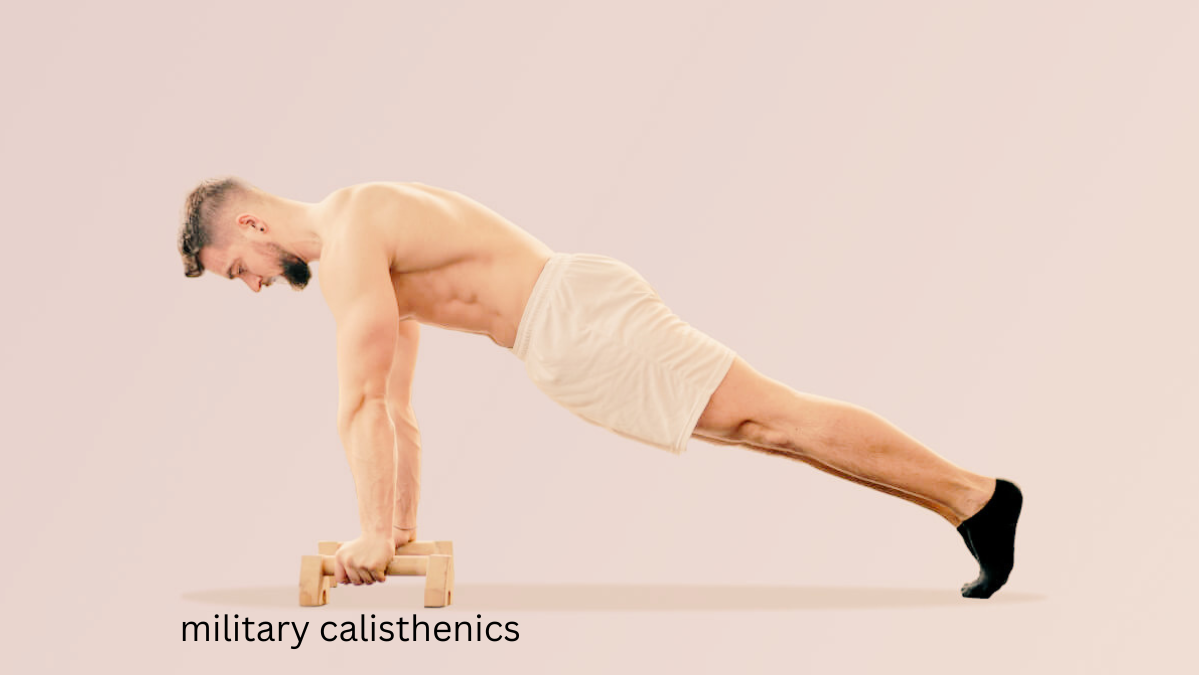
Military calisthenics represent more than just a training method—they embody a philosophy of resilience, discipline, and functional strength. Rooted in centuries of battlefield preparation, this style of training has evolved into one of the most effective and accessible ways to build a powerful, agile, and enduring body. Whether practiced by elite soldiers or everyday fitness enthusiasts, military calisthenics emphasize mastery over one’s body using minimal equipment and maximum intent.
Unlike traditional gym routines that rely heavily on machines and weights, military calisthenics focus on bodyweight movements such as push-ups, pull-ups, squats, and core exercises. These movements train multiple muscle groups simultaneously, improving coordination, balance, and real-world strength. The simplicity of the method makes it adaptable to any environment—whether a training field, a park, or a small room at home.
The beauty of this training style lies in its efficiency. It develops cardiovascular endurance, muscular strength, flexibility, and mental toughness all at once. Over time, practitioners not only transform physically but also develop a mindset that thrives under pressure and pushes beyond limits.
The Origins and Evolution of Military Calisthenics
Military calisthenics trace their origins back to ancient civilizations where soldiers trained using their own body weight to prepare for combat. Greek warriors, Roman legions, and Spartan fighters all relied on bodyweight exercises to build strength and endurance. These early training systems emphasized functional fitness—skills that directly translated to survival and combat effectiveness.
As modern armies developed, the need for standardized physical training became essential. Military calisthenics evolved into structured programs designed to prepare recruits for the physical demands of service. Over time, these routines incorporated scientific principles of exercise physiology, improving efficiency and effectiveness while maintaining their core simplicity.
Today, military calisthenics continue to play a central role in armed forces training worldwide. Beyond the military, this approach has influenced modern fitness trends, including boot camps, functional training, and street workouts. Its enduring popularity highlights its adaptability and proven results across generations.
The Core Principles Behind Military Calisthenics
At its foundation, military calisthenics are built on the principle of functional strength. Every movement is designed to improve the body’s ability to perform real-world tasks efficiently. Unlike isolated exercises, these movements engage multiple muscle groups, ensuring balanced development and reducing the risk of injury.
Consistency is another key principle. Military training emphasizes repetition and discipline, encouraging individuals to maintain a steady routine over time. This approach fosters gradual improvement, allowing the body to adapt and grow stronger without relying on shortcuts or quick fixes.
Intensity also plays a vital role. Workouts are often structured to push individuals beyond their comfort zones, building both physical and mental resilience. As one experienced trainer once said, “Your body adapts to what you demand of it. Demand more, and it becomes more.” This philosophy captures the essence of military calisthenics—continuous progression through challenge.
Key Benefits of Military Calisthenics
One of the most significant advantages of military calisthenics is their ability to build full-body strength without the need for expensive equipment. Exercises like push-ups, lunges, and pull-ups target multiple muscle groups, promoting balanced development and functional fitness.
Another major benefit is improved endurance. Military calisthenics routines often involve high repetitions and minimal rest, enhancing cardiovascular health and stamina. This makes them particularly effective for individuals seeking both strength and endurance in a single workout.
Flexibility and mobility also improve through consistent practice. Dynamic movements and varied exercises help maintain joint health and range of motion, reducing the likelihood of injuries. Additionally, the mental benefits cannot be overlooked. The discipline and focus required for these workouts foster resilience, confidence, and a strong work ethic.
Essential Exercises in Military Calisthenics
Military calisthenics revolve around a set of foundational exercises that form the backbone of training programs. Push-ups are perhaps the most iconic, targeting the chest, shoulders, and triceps while engaging the core for stability. Variations such as diamond push-ups or wide-grip push-ups add intensity and variety.
Pull-ups are another cornerstone exercise, developing upper body strength and grip endurance. Squats and lunges strengthen the lower body, improving balance and power. Core exercises like planks and sit-ups enhance stability and protect the spine.
These movements are often combined into circuits, creating high-intensity workouts that challenge both strength and endurance. Over time, individuals can progress to more advanced variations, increasing difficulty and maintaining continuous improvement.
Sample Military Calisthenics Workout Structure
A typical military calisthenics session is structured to maximize efficiency and effectiveness. It usually begins with a warm-up to prepare the body for exercise, followed by a main workout consisting of strength and endurance exercises, and ends with a cooldown to aid recovery.
Below is a sample workout structure:
| Phase | Activity | Duration |
|---|---|---|
| Warm-up | Light jogging, dynamic stretches | 10 mins |
| Strength | Push-ups, pull-ups, squats | 20 mins |
| Endurance | Circuit training, burpees | 15 mins |
| Core | Planks, sit-ups | 10 mins |
| Cooldown | Stretching, breathing exercises | 5 mins |
This structure ensures a balanced workout that targets all major muscle groups while improving cardiovascular fitness.
The Role of Discipline in Military Calisthenics
Discipline is at the heart of military calisthenics. Unlike casual workout routines, this training method demands consistency and commitment. Success is not measured by a single session but by the ability to show up day after day, even when motivation fades.
The structured nature of these workouts helps build habits that extend beyond fitness. Individuals learn to manage their time, push through discomfort, and maintain focus under pressure. These qualities translate into other areas of life, enhancing productivity and personal growth.
A seasoned instructor once remarked, “Discipline is choosing what you want most over what you want now.” This mindset is deeply embedded in military calisthenics, shaping both the body and the character of those who practice it.
Adapting Military Calisthenics for Beginners
Military calisthenics may seem intimidating at first, but they can be adapted to suit all fitness levels. Beginners can start with modified versions of exercises, such as knee push-ups or assisted pull-ups, gradually building strength and confidence.
Progression is key. As the body adapts, individuals can increase repetitions, reduce rest time, or incorporate more challenging variations. This gradual approach ensures steady improvement while minimizing the risk of injury.
Patience plays a crucial role in this process. Results may not appear overnight, but consistent effort leads to significant gains over time. The journey itself becomes a source of motivation, encouraging individuals to push beyond their perceived limits.
Advanced Techniques in Military Calisthenics
For those with a solid foundation, military calisthenics offer numerous advanced techniques to enhance performance. Plyometric exercises, such as explosive push-ups and jump squats, improve power and agility. These movements train fast-twitch muscle fibers, increasing overall athletic performance.
Isometric holds, such as extended planks or static squats, build endurance and mental toughness. These exercises challenge the body to maintain tension over time, strengthening both muscles and focus.
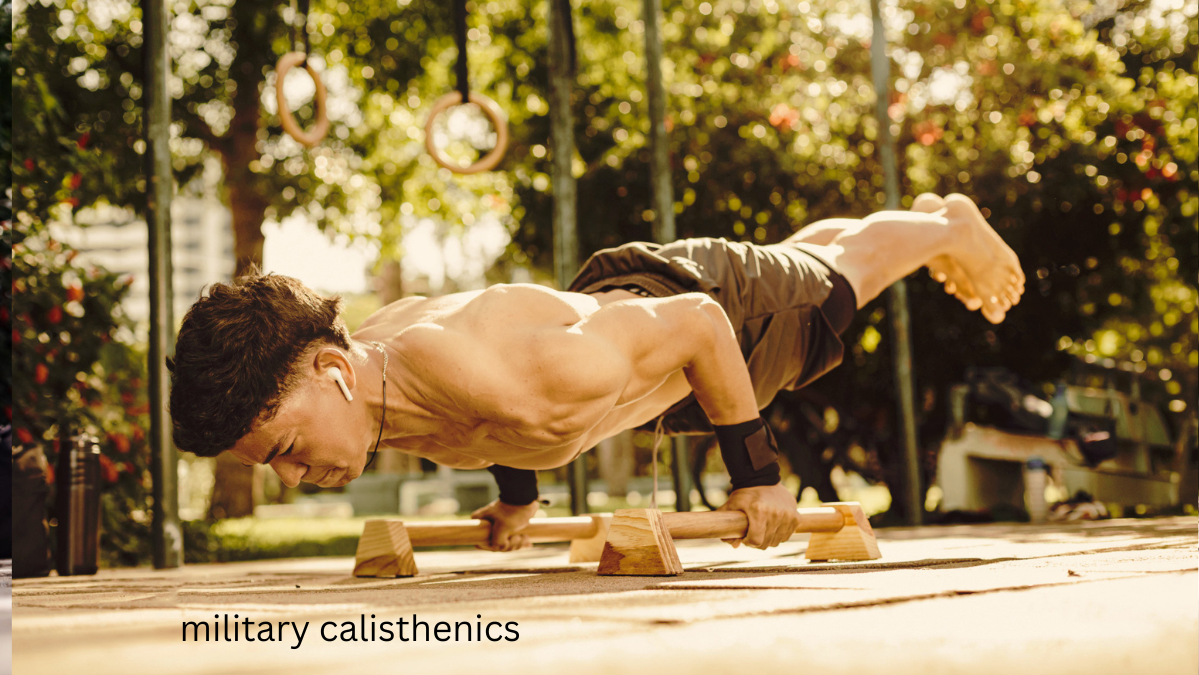
Incorporating complex movements like muscle-ups or handstand push-ups adds another layer of difficulty. These exercises require a combination of strength, balance, and coordination, making them ideal for advanced practitioners seeking new challenges.
Nutrition and Recovery for Optimal Performance
Nutrition plays a vital role in supporting military calisthenics training. A balanced diet rich in protein, carbohydrates, and healthy fats provides the energy needed for intense workouts and aids in muscle recovery. Hydration is equally important, ensuring optimal performance and preventing fatigue.
Recovery is often overlooked but is essential for long-term success. Rest days allow the body to repair and grow stronger, reducing the risk of overtraining. Stretching and mobility exercises further support recovery, maintaining flexibility and preventing injuries.
Sleep is another critical factor. Quality rest enhances muscle repair, cognitive function, and overall performance. Without adequate sleep, even the most dedicated training efforts may fall short of their potential.
Mental Strength and Resilience Through Military Calisthenics
Military calisthenics are as much a mental challenge as they are a physical one. The demanding nature of these workouts pushes individuals to confront their limits and overcome self-doubt. Each completed set becomes a testament to perseverance and determination.
This training style fosters a growth mindset, encouraging individuals to view challenges as opportunities for improvement. Over time, the mental resilience developed through military calisthenics extends beyond fitness, influencing personal and professional aspects of life.
The sense of accomplishment gained from overcoming difficult workouts builds confidence and self-belief. These qualities empower individuals to tackle challenges with a positive and determined attitude.
Common Mistakes to Avoid in Military Calisthenics
One common mistake is neglecting proper form. Performing exercises incorrectly can lead to injuries and hinder progress. Focusing on technique ensures maximum effectiveness and safety.
Overtraining is another issue. While intensity is important, adequate rest is essential for recovery and growth. Ignoring this can lead to fatigue and decreased performance.
Lack of progression can also stall results. Continuously challenging the body with new variations and increased intensity is necessary for ongoing improvement. Staying mindful of these factors helps maintain a balanced and effective training routine.
Conclusion
Military calisthenics offer a powerful and versatile approach to fitness that combines strength, endurance, and mental resilience. Their simplicity and effectiveness make them accessible to individuals of all fitness levels, while their intensity ensures continuous growth and improvement.
By embracing the principles of discipline, consistency, and progression, anyone can unlock the full potential of this training method. The journey may be challenging, but the rewards—both physical and mental—are well worth the effort. In the end, military calisthenics are not just about building a stronger body, but about forging a stronger, more resilient self.
FAQ
What makes military calisthenics different from regular workouts?
Military calisthenics focus on functional, bodyweight movements that train multiple muscle groups simultaneously. Unlike traditional workouts, they emphasize endurance, discipline, and real-world strength.
How often should military calisthenics be practiced?
Consistency is key. Most individuals benefit from training three to five times per week, allowing time for recovery while maintaining progress.
Can beginners start military calisthenics?
Yes, beginners can start with modified exercises and gradually progress to more advanced movements as their strength and confidence improve.
Do military calisthenics build muscle effectively?
They can build significant muscle, especially when combined with proper nutrition and progressive overload. While results may differ from weight training, they promote lean, functional muscle development.
Is equipment necessary for military calisthenics?
Minimal equipment is required. Basic tools like a pull-up bar can enhance training, but many exercises can be performed using just body weight.