
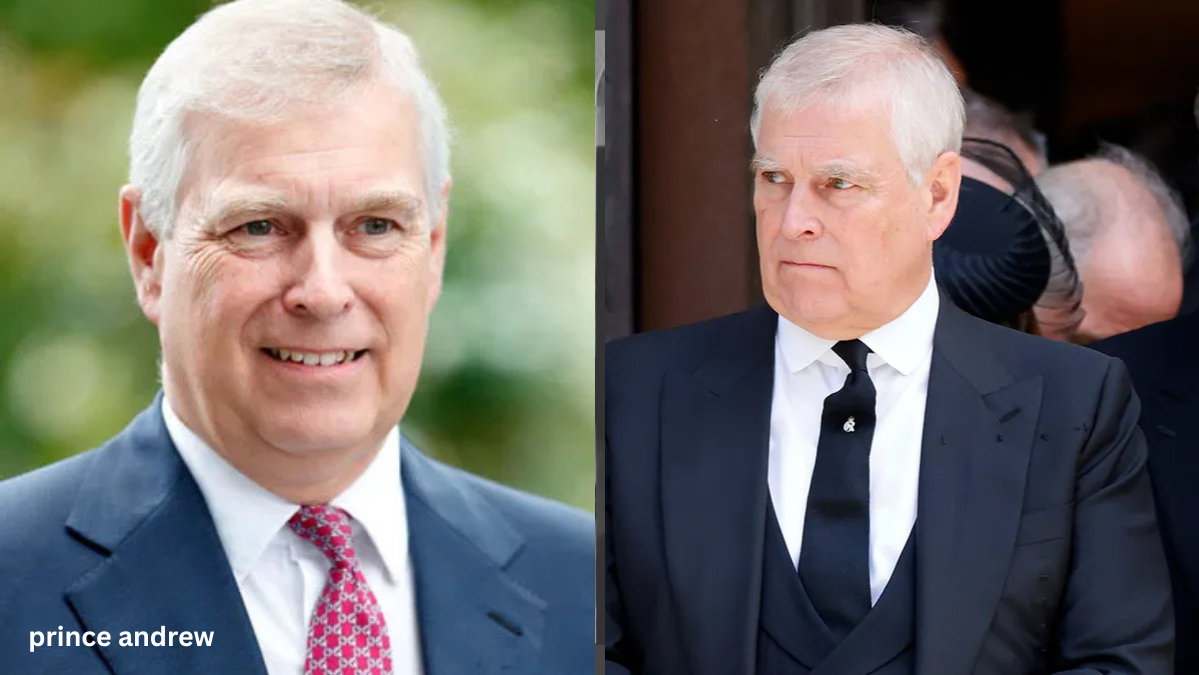
Few modern royals have attracted as much public attention, debate, and scrutiny as prince andrew. Once regarded as a prominent and active member of the British royal family, he spent decades representing the monarchy both at home and abroad. His military service, charitable work, international engagements, and close connection to Queen Elizabeth II helped shape his public image for many years.
Over time, however, that image changed dramatically. Public controversies, media investigations, legal challenges, and intense public criticism transformed him from a respected royal figure into one of the most controversial members of Britain’s royal household. His story is not merely about personal choices or royal privilege. It also reflects broader questions about accountability, reputation, media influence, and the evolving expectations placed upon public figures in the modern era.
Understanding his life requires examining the full picture. From childhood within the royal family to military achievements, public service, business promotion, and the controversies that ultimately overshadowed much of his work, his journey remains a significant chapter in contemporary royal history.
Early Life and Royal Upbringing Within the British Monarchy
Born on February 19, 1960, Andrew Albert Christian Edward entered a world unlike that experienced by most children. As the third child of Queen Elizabeth II and Prince Philip, Duke of Edinburgh, he grew up during a period when the monarchy was adapting to a rapidly changing society.
His arrival held special significance for the royal family. He was the first child born to a reigning British monarch in more than a century. This distinction immediately placed him in a unique position within the royal hierarchy and public imagination.
His childhood was spent largely between Buckingham Palace, Windsor Castle, and other royal residences. While he enjoyed many privileges associated with royal status, he was also expected to uphold traditions and responsibilities that came with membership in the monarchy.
Education played an important role in shaping his early years. Like many royals of his generation, he attended prestigious institutions and experienced a structured upbringing that combined academic studies with preparation for future public duties. The expectations surrounding him were significant, although he was not directly in line for the throne in the same way as his older brother, King Charles III.
The royal environment emphasized duty, service, and loyalty. These values would later influence many of his decisions, particularly his choice to pursue a military career rather than focus solely on ceremonial royal engagements.
Family Connections and Position Within the Royal Household
Understanding prince andrew requires understanding his place within one of the world’s most famous families. As the second son of Queen Elizabeth II, he occupied a prominent position but one that differed considerably from that of the heir apparent.
Throughout his youth, he was often described as one of the Queen’s favorite children. Reports from royal commentators frequently highlighted the particularly close bond between mother and son. This relationship remained an important aspect of his life for decades.
His siblings include King Charles III, Princess Anne, and Prince Edward. Together they represented different generations of royal service, each developing distinct public identities while supporting the institution of the monarchy.
Within the family structure, he often appeared confident, outgoing, and energetic. These traits contributed to his popularity during the earlier stages of his public life. Many observers viewed him as charismatic and approachable compared to some other members of the royal household.
The dynamics of royal family relationships inevitably influenced public perceptions. Family milestones, celebrations, state occasions, and international tours frequently placed him in the spotlight, reinforcing his visibility among both British and international audiences.
Military Service and the Formation of a Public Reputation
One of the most defining periods of his life was his service in the Royal Navy. Unlike purely ceremonial military appointments, his naval career involved active service and professional training.
He joined the Royal Navy in 1979 and underwent extensive officer training. His commitment to military service earned respect from many observers who valued the tradition of royal family members serving in the armed forces.
His reputation grew significantly during the Falklands War in 1982. Serving as a helicopter pilot, he participated in military operations during the conflict between the United Kingdom and Argentina. His deployment generated considerable public attention because of the risks involved.
The war represented a pivotal moment in shaping public perceptions. Many Britons admired his willingness to serve in an active conflict despite his royal status. Military colleagues often spoke positively about his professionalism and dedication.
The following table highlights key milestones from his military career:
| Year | Event | Significance |
|---|---|---|
| 1979 | Joined Royal Navy | Began professional military career |
| 1980 | Officer training completed | Qualified as naval officer |
| 1982 | Falklands War service | Active combat-related deployment |
| 1980s | Helicopter pilot duties | Developed operational experience |
| 1990s | Continued naval advancement | Strengthened military credentials |
| 2001 | Retired from active service | Ended long naval career |
His naval service remained one of the most positively viewed aspects of his public life. Even critics often acknowledge that his military record stands apart from later controversies.
As he transitioned from military duties into broader royal responsibilities, the respect earned during this period became an important component of his public image.
Marriage to Sarah Ferguson and Intense Media Attention
The marriage between prince andrew and Sarah Ferguson became one of the most widely covered royal events of the 1980s. Their wedding captured international attention and reflected the global fascination with the British monarchy.
Sarah Ferguson, commonly known as Fergie, brought a lively and energetic personality to the royal family. Initially, the couple appeared well-matched, and public enthusiasm surrounding their relationship was substantial.
Their wedding at Westminster Abbey in 1986 attracted enormous media coverage. Millions of viewers watched the ceremony, celebrating what appeared to be a promising royal partnership.
The marriage produced two daughters, Princess Beatrice and Princess Eugenie. Both would later become important figures within the extended royal family and maintain close relationships with their parents.
However, maintaining a marriage under constant media scrutiny proved challenging. Long periods of separation due to naval commitments, combined with relentless press attention, placed considerable strain on the relationship.
By the early 1990s, difficulties became increasingly visible. The couple eventually separated and later divorced. Despite the end of their marriage, they maintained an unusually close friendship that continued for decades.
This enduring relationship often surprised observers and contributed to ongoing public interest in both individuals. Their ability to co-parent and remain supportive of one another became a notable aspect of their post-divorce lives.
Expanding Royal Responsibilities and International Engagements
Following his military career, prince andrew assumed a broader range of royal duties. These responsibilities included official visits, ceremonial appearances, charitable patronages, and diplomatic engagements.
Royal family members often serve as informal ambassadors for the United Kingdom. In this capacity, he traveled extensively, meeting political leaders, business executives, charitable organizations, and community representatives around the world.
His schedule frequently included trade promotion activities designed to encourage international investment and strengthen economic relationships. These efforts became a significant component of his public role.
Supporters argued that he worked energetically to advance British commercial interests abroad. They pointed to numerous international visits and business meetings as evidence of his commitment to economic diplomacy.
His position allowed him access to influential networks across multiple industries and countries. This access proved valuable in many situations but later became a source of scrutiny and criticism.
The balance between royal representation and business engagement is inherently complex. Questions about appropriate boundaries occasionally emerged even before larger controversies dominated public discussion.
Nevertheless, during this period, he remained a prominent figure within the monarchy and continued performing hundreds of official engagements annually.
The Role of Trade Envoy and Economic Promotion
Among his most significant public appointments was his role as the United Kingdom’s Special Representative for International Trade and Investment.
This position involved promoting British business interests around the world. He met government officials, corporate leaders, investors, and entrepreneurs in an effort to strengthen economic ties.
Advocates viewed his appointment as a practical use of royal influence. They argued that his international profile opened doors and facilitated discussions that might otherwise have been difficult to arrange.
His extensive travel schedule reflected the importance attached to the role. He visited emerging markets, attended trade conferences, and participated in business development initiatives across multiple continents.
Economic diplomacy often requires relationship-building, and this aspect of the role later became controversial. Critics questioned certain associations and meetings, arguing that some relationships created reputational risks.
Even before major scandals emerged, media outlets occasionally examined his business contacts and international connections. Such scrutiny increased significantly as public concerns about transparency and accountability evolved.
Eventually, growing criticism contributed to the end of his tenure as trade envoy, marking an important turning point in his public career.
Public Image During the Peak of His Royal Career
For many years, public perceptions were relatively favorable. He was often portrayed as confident, energetic, and committed to service.
Media coverage frequently highlighted his military background, charitable involvement, and international engagements. Public appearances drew significant attention, particularly during major royal events.
The monarchy itself enjoyed substantial popularity during much of this period, and his association with the institution reinforced his visibility and influence.
At official functions, he projected an image of authority and confidence. Many observers considered him an effective representative of the royal family, particularly in international settings.
However, public image is rarely static. Small concerns and criticisms can accumulate over time, especially when media coverage becomes more investigative and less deferential.
As societal expectations changed and public scrutiny intensified, aspects of his conduct that might once have attracted limited attention began receiving greater examination.
This shift laid the groundwork for the challenges that would later dominate discussions about his legacy.
Relationships, Associations, and Growing Public Scrutiny
Modern public figures operate under unprecedented levels of scrutiny. For members of the royal family, this scrutiny can be particularly intense because of the public nature of their roles.
Throughout his career, prince andrew developed relationships with influential individuals from business, politics, entertainment, and philanthropy. Many such connections were routine aspects of international engagement.
Over time, however, certain associations became increasingly controversial. Media investigations began examining the nature and extent of specific relationships, leading to difficult questions and public criticism.
The emergence of investigative journalism, digital media platforms, and global news networks amplified public awareness of these issues. Stories could spread rapidly and generate worldwide attention.
As scrutiny increased, pressure mounted on both the royal family and public institutions connected to him. Questions about judgment, accountability, and transparency became central themes in media coverage.
The resulting controversy represented a dramatic departure from earlier narratives focused primarily on military service and royal duties.
The Jeffrey Epstein Controversy and Global Media Coverage
No discussion of prince andrew can avoid addressing the controversy that fundamentally altered public perceptions of him.
His association with Jeffrey Epstein became the subject of intense international attention. Media organizations investigated the relationship extensively, examining meetings, photographs, and reported interactions spanning several years.
As allegations against Epstein became widely known, public concern grew regarding anyone associated with him. Questions about judgment and accountability intensified, placing enormous pressure on the Duke of York.
The controversy generated headlines across the world. News organizations devoted substantial resources to investigating the matter, and public interest remained consistently high.
The royal family faced difficult challenges in responding to the growing crisis. Institutional reputation became a central concern as media attention continued to escalate.
Public confidence was increasingly affected by ongoing revelations and discussions. The controversy eventually overshadowed nearly every other aspect of his public life.
For many observers, this period marked the beginning of a profound transformation in how he was viewed both within Britain and internationally.
The BBC Interview That Changed Everything
One of the most significant moments in modern royal public relations occurred during his interview with BBC Newsnight in 2019.
The interview was intended to address public concerns and provide explanations regarding his relationship with Epstein. Instead, it became widely regarded as a communications disaster.
Viewers, journalists, and public relations experts analyzed the interview extensively. Reactions were overwhelmingly critical, with many arguing that it failed to answer key questions effectively.
Several statements made during the interview attracted intense scrutiny and widespread discussion. Media commentary continued for weeks afterward, often focusing on perceived inconsistencies and credibility concerns.
The interview quickly became a defining moment in his public life. What was intended as damage control instead intensified criticism and accelerated calls for accountability.
Public reaction demonstrated how dramatically expectations regarding transparency and responsibility had evolved. Audiences demanded clear answers and persuasive explanations, particularly from public figures.
The aftermath had far-reaching consequences for both his personal standing and his official role within the monarchy.
Withdrawal from Public Duties and Institutional Consequences
Following the backlash generated by the interview, he announced his withdrawal from public duties.
This decision represented a major development within the royal family. Active participation in official engagements had been a central aspect of his life for decades, and stepping back marked a significant departure from that role.
Numerous organizations reevaluated their relationships with him. Charities, patronages, and institutions faced pressure from stakeholders, donors, and the public.
Many honorary positions and affiliations were eventually relinquished or removed. These changes reflected broader efforts to protect organizational reputations and maintain public trust.
The monarchy itself sought to navigate a difficult situation while preserving institutional stability. Balancing personal considerations with public expectations presented a substantial challenge.
His withdrawal underscored the reality that modern public figures operate within an environment where reputational consequences can be swift and far-reaching.
The episode also highlighted changing attitudes toward accountability among prominent individuals and institutions.
Legal Challenges and Settlement Developments
Legal proceedings added another significant dimension to the controversy.
Claims brought against him generated extensive media coverage and public discussion. The legal process attracted international attention due to both the seriousness of the allegations and his royal status.
He consistently denied allegations made against him. Nonetheless, the proceedings continued to attract scrutiny from journalists, commentators, and the public.
Eventually, a settlement was reached without an admission of liability. The agreement brought the specific legal case to a conclusion, though public debate continued.
Legal outcomes and public perceptions do not always align. Even after formal proceedings conclude, reputational effects can persist for years.
The case reinforced broader discussions about justice, power, privilege, and public accountability. These themes resonated far beyond the specific individuals involved.
For historians and royal observers, this period remains one of the most consequential chapters in contemporary royal history.
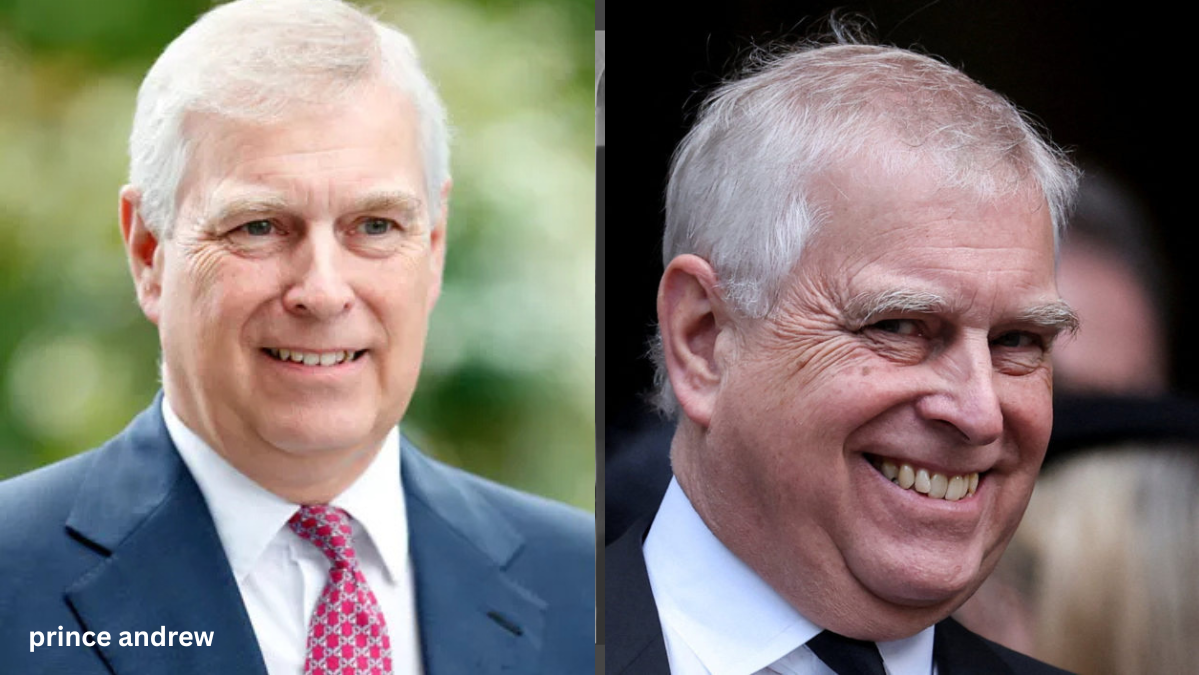
Relationship With Queen Elizabeth II During Difficult Years
Throughout periods of intense controversy, his relationship with Queen Elizabeth II remained a topic of considerable public interest.
Many commentators emphasized the strong bond that had existed between mother and son throughout his life. Reports frequently suggested that the Queen maintained personal affection and concern despite public difficulties.
Observers noted occasions when she appeared supportive during particularly challenging periods. Such gestures attracted significant media attention and generated discussion about family loyalty and institutional responsibility.
The Queen’s approach reflected the complexities inherent in balancing personal relationships with public obligations. As monarch, she represented an institution. As a mother, she faced deeply personal challenges.
This dual role made the situation especially delicate. Every action and appearance was closely analyzed by journalists and royal commentators.
Following her death in 2022, discussions about their relationship became an important part of assessments of both his personal story and royal legacy.
Public Perception in Britain and Around the World
Public opinion regarding prince andrew has evolved dramatically over the decades.
During earlier periods, many viewed him positively because of military service, royal duties, and public engagement. Polling and media coverage often reflected relatively favorable attitudes.
The controversies of recent years fundamentally altered those perceptions. Public trust declined significantly, and criticism became widespread.
Different audiences sometimes view public figures differently based on cultural, political, and social factors. Nevertheless, negative perceptions became dominant across many regions.
Media coverage played an important role in shaping public understanding of events. Traditional journalism, television broadcasts, online news platforms, and social media all contributed to the evolving narrative.
The case also illustrates how public expectations have changed. Modern audiences often demand higher standards of accountability and transparency than previous generations.
As a result, reputation management has become increasingly challenging for institutions and individuals alike.
The Future of His Historical Legacy
Historical legacies are rarely simple. Public figures are often remembered through a combination of achievements, controversies, personal qualities, and broader societal impacts.
In assessing prince andrew, historians will likely examine multiple dimensions of his life. His military service, royal responsibilities, international engagements, and charitable involvement will form part of that assessment.
At the same time, controversies and legal challenges will remain central to discussions of his public legacy. These events significantly influenced perceptions of both the individual and the institution he represented.
Future evaluations may also consider broader cultural and historical contexts. Changing attitudes toward public accountability, media scrutiny, and institutional transparency will shape interpretations of his story.
History often favors complexity over simplistic judgments. The full picture includes accomplishments, mistakes, public service, personal relationships, and societal change.
Consequently, his legacy will likely remain a subject of debate among historians, journalists, royal experts, and the public for many years.
Lessons From a Remarkable and Controversial Royal Life
The story offers broader lessons extending beyond the monarchy itself.
It demonstrates how reputation can take decades to build yet change rapidly under intense scrutiny. Public trust remains one of the most valuable and fragile assets for any prominent figure.
The case also illustrates the increasing power of investigative journalism and digital communication. Information now travels globally within moments, creating new challenges for institutions accustomed to controlling narratives.
Accountability has become a defining expectation of contemporary public life. Individuals occupying positions of privilege or influence face heightened demands for transparency and ethical conduct.
At the same time, the story reflects enduring themes involving family loyalty, public service, personal responsibility, and the relationship between private actions and public roles.
These lessons help explain why his life continues to attract attention far beyond royal circles.
Conclusion
The life of prince andrew represents one of the most complex and controversial stories within modern royal history. From a privileged royal upbringing and distinguished military service to international representation and public controversy, his journey has encompassed extraordinary highs and dramatic lows.
For many years, he was regarded as an energetic and effective member of the British royal family. His naval career, public duties, and global engagements contributed significantly to his reputation. Yet the controversies that emerged later transformed public perceptions and overshadowed much of his earlier work.
His story reflects broader changes in society, media, and expectations surrounding public accountability. It also highlights the challenges faced by institutions navigating crises involving prominent figures.
Whether viewed through the lens of royal history, public relations, modern media, or personal responsibility, his life remains an important case study in how reputation, power, and public trust interact in the contemporary world. As historians continue to evaluate his place in history, the debate surrounding his legacy is likely to remain active for generations to come.
FAQ
Who is Prince Andrew?
Prince Andrew is the second son of Queen Elizabeth II and Prince Philip. He held the title Duke of York and spent many years performing royal duties, serving in the Royal Navy, and representing the United Kingdom in various official capacities.
What military service did Prince Andrew perform?
He served in the Royal Navy and became a helicopter pilot. During the Falklands War in 1982, he participated in active military operations, an experience that significantly shaped his public reputation.
Why did Prince Andrew step back from royal duties?
He withdrew from public duties following intense criticism related to his association with Jeffrey Epstein and the public reaction to his BBC Newsnight interview in 2019.
Was Prince Andrew involved in charitable work?
Yes. Throughout much of his public life, he supported numerous charities, educational initiatives, youth organizations, and business development programs as part of his royal responsibilities.
What is Prince Andrew’s relationship with Sarah Ferguson?
Although they divorced in the 1990s, Prince Andrew and Sarah Ferguson maintained a close friendship. They continued co-parenting their daughters, Princess Beatrice and Princess Eugenie, and often appeared supportive of one another publicly.
How has public opinion about Prince Andrew changed over time?
Public opinion shifted significantly over the years. Earlier perceptions were largely positive due to his military service and royal work, but later controversies led to widespread criticism and declining public support.
What role did Prince Andrew play in promoting British business interests?
He served as the United Kingdom’s Special Representative for International Trade and Investment. In that role, he traveled internationally, met business leaders, and promoted British commercial opportunities abroad.
What is the lasting legacy of Prince Andrew?
His legacy remains highly debated. Supporters point to military service and years of royal duty, while critics focus on controversies that damaged his reputation and affected public trust in both him and the institutions associated with him.