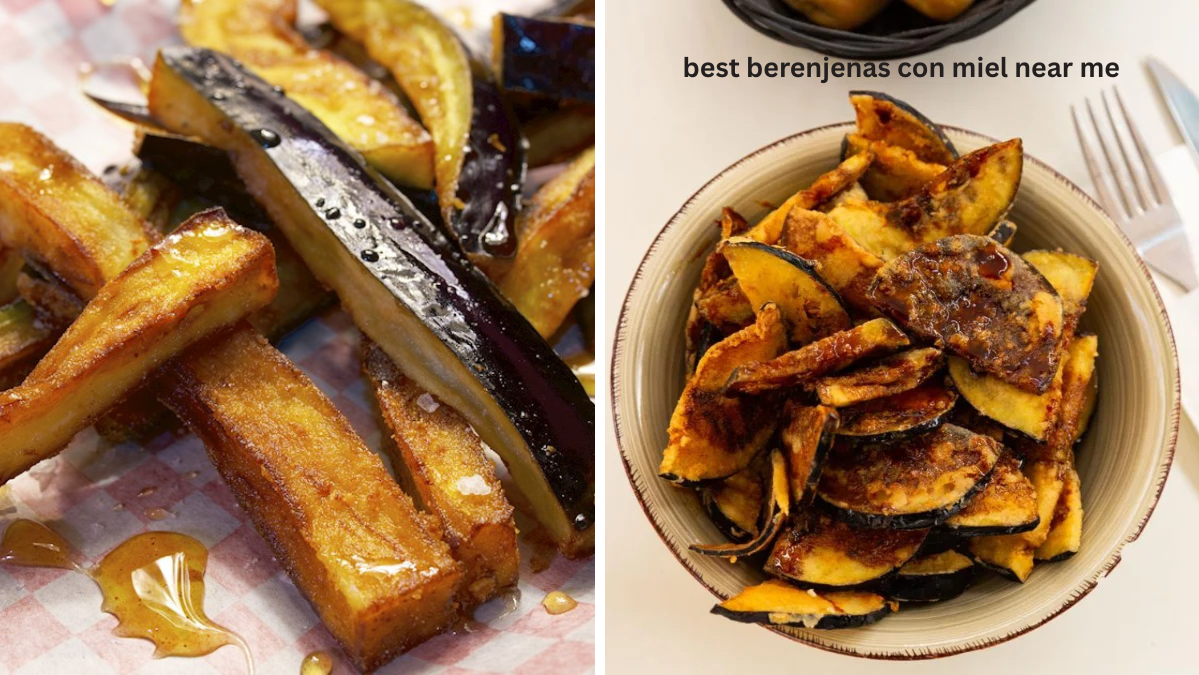
Finding the best berenjenas con miel near me can feel like discovering a hidden culinary treasure. This beloved Spanish dish, made from crispy fried eggplant drizzled with sweet honey or cane syrup, carries the warmth of Andalusian kitchens and centuries of Mediterranean flavor traditions. With its perfect contrast of sweet and savory notes, berenjenas con miel has become one of the most unforgettable tapas experiences for food lovers around the world.
People who search for authentic Spanish comfort food often fall in love with this dish after the very first bite. The crispy coating gives way to silky eggplant inside, while the honey creates a glossy finish that balances every flavor beautifully. Whether enjoyed in a bustling tapas bar, a cozy family restaurant, or recreated at home, this iconic dish continues to gain popularity among travelers, chefs, and adventurous eaters seeking memorable Mediterranean cuisine.
The Rich History Behind Berenjenas Con Miel
Berenjenas con miel has deep roots in southern Spain, especially in the Andalusian cities of Córdoba, Málaga, and Granada. The dish reflects centuries of cultural influence where Arab, Jewish, and Spanish culinary traditions blended together into something truly remarkable. Eggplants were introduced to Spain during the Moorish period, and over time local cooks developed creative ways to transform this humble vegetable into elegant tapas dishes.
Traditional recipes often use “miel de caña,” a dark sugar cane syrup that adds a richer and more complex sweetness than regular honey. This syrup became closely associated with the dish in Málaga and nearby regions. Even today, many Spanish chefs insist that authentic berenjenas con miel should use cane syrup rather than floral honey because it provides a deeper caramelized finish.
Food historians often describe Andalusian cuisine as “a bridge between continents,” and this dish perfectly represents that idea. The combination of fried vegetables and sweet glaze may sound unusual at first, but it demonstrates how Mediterranean cooking embraces bold contrasts with confidence and simplicity.
Modern restaurants have introduced creative twists, but the essence remains unchanged. Crispy eggplant, delicate seasoning, and balanced sweetness continue to define the soul of this classic tapa.
Why This Spanish Dish Has Become So Popular
The growing global interest in tapas culture has helped dishes like berenjenas con miel gain international attention. Travelers returning from Spain frequently talk about the unforgettable flavors they experienced in local tapas bars, and this dish often ranks among their favorites.
One reason people search for the best berenjenas con miel near me is its incredible balance of texture and flavor. The outside is crunchy and golden while the inside remains creamy and soft. The sweetness from honey or cane syrup enhances the natural earthiness of the eggplant without overpowering it.
Another reason for its popularity is its versatility. It works beautifully as a starter, a sharing plate, or even a light vegetarian meal. Restaurants can present it casually or elevate it into gourmet cuisine with artisan honey, flaky sea salt, smoked paprika, or creative garnishes.
Celebrity chefs and food bloggers have also contributed to its rise. Mediterranean diets continue to receive praise for their flavor and health benefits, and dishes like this fit perfectly into modern dining trends focused on fresh ingredients and bold simplicity.
As Spanish cuisine continues expanding worldwide, more restaurants now feature regional specialties rather than generic tapas. This allows diners to experience authentic Andalusian cooking in a more meaningful way.
What Makes Authentic Berenjenas Con Miel Special
Authenticity matters greatly when it comes to this dish. While many restaurants attempt to recreate it, only a few truly capture the traditional Andalusian flavor profile. The quality of ingredients makes a huge difference.
Fresh eggplants are essential. Good restaurants use firm, glossy eggplants with minimal bitterness. Many chefs lightly salt the slices beforehand to draw out moisture and improve texture. The coating also matters. Some recipes use flour only, while others include chickpea flour for extra crispiness.
The frying technique is equally important. Properly cooked berenjenas con miel should never feel greasy or soggy. Instead, the slices should remain light and crisp while holding their shape beautifully.
The syrup or honey selection often separates average versions from exceptional ones. Traditional cane syrup offers smoky caramel notes that pair perfectly with fried eggplant. Floral honey creates a lighter sweetness, while artisan varieties add unique depth and complexity.
Spanish chef José Andrés once said, “Simple ingredients become extraordinary when treated with respect.” That philosophy perfectly describes the magic of authentic berenjenas con miel.
Table: Traditional vs Modern Berenjenas Con Miel
| Feature | Traditional Version | Modern Restaurant Version |
|---|---|---|
| Sweetener | Cane syrup | Artisan honey or flavored syrups |
| Coating | Simple flour | Tempura or seasoned batter |
| Garnishes | Minimal | Herbs, cheese, nuts |
| Serving Style | Rustic tapas plate | Gourmet presentation |
| Cooking Oil | Olive oil | Blended frying oils |
| Flavor Focus | Sweet and savory balance | Creative fusion flavors |
Ingredients That Define The Perfect Flavor
The beauty of this dish lies in its simplicity. A few quality ingredients can create unforgettable flavor when handled correctly.
Eggplant is obviously the star ingredient. Spanish varieties tend to be smaller and sweeter, but many chefs around the world adapt local eggplants successfully. Thin slicing helps achieve the ideal texture, allowing the inside to soften quickly during frying.
Olive oil plays a major role as well. Extra virgin olive oil adds richness and authentic Mediterranean character. Even when restaurants use neutral oils for frying efficiency, many finish the dish with quality olive oil for extra flavor.
Sea salt provides critical balance. Without enough salt, the sweetness can dominate too heavily. A light sprinkle of flaky salt after frying enhances every bite dramatically.
Honey or cane syrup gives the dish its signature identity. Cane syrup offers earthy depth while lighter honey creates floral sweetness. Some chefs experiment with orange blossom honey, chestnut honey, or wildflower honey for unique regional character.
Flour coatings vary depending on tradition and creativity. Some cooks prefer wheat flour while others use chickpea flour or rice flour for lighter crispiness.
The simplicity of the ingredient list means there is nowhere to hide mistakes. Every component must shine.
Regional Variations Across Spain
Different regions of Spain prepare berenjenas con miel in their own distinctive ways. In Córdoba, thinly sliced eggplants are often lightly coated and drizzled generously with dark cane syrup. Málaga versions sometimes emphasize smokier syrup flavors with slightly thicker slices.
Granada occasionally incorporates subtle spice blends that reflect Moorish culinary influence. Some local cooks add hints of cumin or cinnamon for warmth and complexity.
In modern Barcelona tapas restaurants, chefs experiment with presentation and texture. Some serve the dish stacked elegantly with microgreens or goat cheese. Others use tempura-style batter for an ultra-light crunch.
Madrid restaurants often treat the dish as upscale tapas, pairing it with wine flights or gourmet Mediterranean spreads. Outside Spain, international chefs continue adapting it creatively while preserving its core identity.
Despite these differences, the essence remains consistent: crispy fried eggplant paired with sweetness in perfect harmony.
The Best Ways To Serve Berenjenas Con Miel
Presentation can elevate this humble dish into something memorable. Traditional tapas bars often serve it casually on ceramic plates with syrup drizzled generously across the top. The rustic appearance adds charm and authenticity.
Modern restaurants may arrange the slices artistically with garnishes like fresh thyme, sesame seeds, crushed pistachios, or shaved Manchego cheese. These additions can enhance both flavor and visual appeal.
The dish pairs beautifully with refreshing beverages. Crisp white wines, dry sherry, sparkling cava, and light sangria complement the sweet-savory balance exceptionally well.
Many Mediterranean dining experiences emphasize sharing, and berenjenas con miel fits perfectly into communal meals alongside olives, croquettes, grilled seafood, and cured meats.
Some chefs also incorporate it into larger dishes. It can accompany grilled lamb, roasted chicken, or fresh salads for more substantial meals.
Food writer Claudia Roden once observed, “Mediterranean cuisine celebrates contrasts rather than avoiding them.” That contrast defines the serving experience of this iconic tapa.
How Restaurants Perfect The Crispy Texture
Achieving the perfect crispy texture requires technique, patience, and timing. Great restaurants understand that texture matters just as much as flavor.
Many chefs soak eggplant slices in milk or salted water before cooking. This helps remove bitterness while improving tenderness inside. The slices are then dried thoroughly before coating to ensure crisp frying.
Temperature control is essential. Oil that is too cool produces greasy eggplant, while excessive heat burns the coating before the inside softens. Skilled cooks maintain steady frying temperatures for ideal results.
The coating itself should remain thin and delicate. Heavy batter can overpower the eggplant and reduce the elegant balance of the dish.
Restaurants also avoid overcrowding frying pans because crowded oil lowers temperature rapidly. Small batches ensure consistent crispiness and even cooking.
Timing matters enormously once the dish leaves the fryer. Berenjenas con miel tastes best immediately after preparation while the exterior remains crunchy and the syrup stays glossy.
Why Tourists Fall In Love With This Dish
Spain offers countless legendary foods, yet many travelers remember berenjenas con miel with special affection. Part of its appeal comes from surprise. Visitors rarely expect fried eggplant with honey to taste so balanced and addictive.
The dish captures the relaxed atmosphere of Spanish tapas culture perfectly. Sitting outdoors on a warm evening, sharing plates with friends, and enjoying sweet-savory flavors creates lasting memories.
Travelers also appreciate how approachable the dish feels. Even people unfamiliar with Spanish cuisine often enjoy it immediately because the ingredients are comforting and recognizable.
Social media has further increased its popularity. The golden fried eggplant glistening with syrup photographs beautifully, making it a favorite among food influencers and travel bloggers.
Many visitors attempt to recreate it at home after returning from Spain, but authentic restaurant versions often remain unmatched due to ingredient quality and traditional cooking techniques.
The Growing Global Popularity Of Spanish Tapas
The worldwide rise of tapas culture has dramatically expanded awareness of regional Spanish dishes. Restaurants across Europe, North America, the Middle East, and Asia increasingly feature authentic Andalusian specialties.
Tapas appeal strongly to modern diners because they encourage exploration and sharing. Guests can sample multiple flavors in a single meal rather than committing to one large entrée.
Berenjenas con miel stands out among tapas because it offers something unexpected. Many tapas focus on seafood, meats, or potatoes, while this dish highlights vegetables in a sophisticated and indulgent way.
Vegetarian diners especially appreciate having flavorful tapas options beyond basic salads or grilled vegetables. This dish proves plant-based cuisine can feel rich, satisfying, and exciting.
As culinary tourism grows, people actively seek authentic regional specialties rather than generic international dishes. That trend continues driving interest in traditional Spanish recipes worldwide.
Pairing Ideas That Enhance The Experience
The right pairing can transform a good tapas experience into an unforgettable one. Because berenjenas con miel balances sweetness and savory richness, beverages and side dishes should complement rather than compete.
Dry sherry remains one of the best traditional pairings. The nutty and slightly salty character balances the sweetness beautifully. Crisp Albariño wines also work exceptionally well due to their refreshing acidity.
For non-alcoholic options, citrus sparkling water or lightly sweetened mint tea can refresh the palate between bites.
Food pairings matter too. Salty cheeses like Manchego create excellent contrast, while olives add briny Mediterranean depth. Grilled seafood provides freshness and texture variation.
Some modern restaurants pair the dish with spicy sauces or chili flakes for extra complexity. The mild heat enhances sweetness surprisingly well.
Chef Ferran Adrià once remarked, “Contrast creates memory in cuisine.” The best pairings amplify the contrasts that make this dish unforgettable.
Homemade Versions Versus Restaurant Quality
Many people searching for the best berenjenas con miel near me eventually try making it themselves. Homemade versions can be delicious, but restaurant-quality results often require practice and experience.
Professional kitchens benefit from high-temperature fryers, premium oils, and carefully selected ingredients. Timing is also easier in restaurant environments where cooks prepare dishes continuously.
At home, controlling moisture becomes one of the biggest challenges. Excess water prevents crispiness and causes oil splattering. Proper drying techniques are essential for success.
Ingredient sourcing also matters significantly. Authentic cane syrup can be difficult to find outside Spain, although specialty Mediterranean stores increasingly carry it.
Still, homemade versions offer unique advantages. Home cooks can adjust sweetness levels, experiment with spices, or use organic produce according to personal preferences.
Cooking the dish at home also creates a deeper appreciation for the craftsmanship involved in authentic Spanish tapas preparation.
How Modern Chefs Reinvent The Classic
Contemporary chefs constantly reinterpret traditional dishes, and berenjenas con miel has inspired countless creative variations. Some restaurants incorporate international influences while preserving the core sweet-savory balance.
Asian-inspired versions may include sesame seeds, soy glaze, or tempura batter. Middle Eastern interpretations sometimes add tahini or pomegranate molasses. Fusion cuisine allows endless experimentation.
Upscale restaurants occasionally transform the dish into elegant fine-dining presentations with microgreens, edible flowers, or artisanal garnishes.
Some chefs even deconstruct the concept entirely, serving eggplant purée, honey foam, or crispy chips instead of traditional slices.
Despite innovation, the best reinterpretations respect the original spirit of the dish rather than abandoning it completely.
Food critic Ruth Reichl once wrote, “Tradition gives chefs roots, creativity gives them wings.” That balance explains why modern versions continue attracting adventurous diners.
Health Benefits Of Eggplant In Mediterranean Cuisine
Eggplant plays an important role in Mediterranean diets known for both flavor and nutritional balance. It contains fiber, antioxidants, and essential nutrients while remaining naturally low in calories.
The deep purple skin contains compounds associated with antioxidant benefits. Mediterranean cooking traditions often emphasize vegetables cooked with olive oil, which can help enhance flavor and satisfaction.
While frying adds richness, balanced portions can still fit comfortably into varied diets. Many modern restaurants also offer lighter versions baked or air-fried for health-conscious diners.
Honey and cane syrup contribute sweetness naturally compared to processed sauces or refined toppings. Combined with quality olive oil and fresh ingredients, the dish aligns well with Mediterranean culinary philosophy centered on enjoyment and moderation.
People often underestimate how satisfying vegetable-based tapas can be until they experience dishes like berenjenas con miel prepared properly.
Cultural Importance In Andalusian Dining
In Andalusia, food is deeply connected to hospitality, community, and tradition. Tapas culture encourages long meals filled with conversation, laughter, and shared experiences.
Berenjenas con miel reflects this cultural spirit perfectly. It is approachable, comforting, and designed for sharing. Families pass recipes through generations while local restaurants proudly preserve regional traditions.
Markets across southern Spain display fresh eggplants, artisan syrups, and local olive oils that support these culinary traditions. Seasonal ingredients remain central to Andalusian cooking identity.
Festivals and celebrations often feature tapas spreads where dishes like this appear alongside regional specialties. Tourists may discover it accidentally, but locals recognize it as part of their cultural heritage.
Food anthropologist Massimo Montanari once noted, “Cuisine becomes culture when recipes carry memory.” This dish carries centuries of Andalusian memory in every bite.
Finding Authentic Spanish Restaurants
People searching online for the best berenjenas con miel near me often struggle to identify truly authentic restaurants. Many tapas bars offer generic versions that miss the traditional flavor balance.
Authentic Spanish restaurants usually emphasize regional specialties rather than oversized international menus. Look for places that mention Andalusian cuisine specifically or highlight traditional ingredients like miel de caña.
Reviews can also reveal valuable details. Diners frequently mention crispiness, syrup quality, and authenticity when discussing exceptional versions of the dish.
Family-owned restaurants often preserve recipes more faithfully than trend-focused establishments. Chefs with Spanish culinary backgrounds also tend to prioritize authenticity and ingredient quality.
Atmosphere matters too. Genuine tapas culture values relaxed dining, sharing plates, and warm hospitality rather than rushed service.
Exploring local Spanish food communities and Mediterranean culinary events can also lead to outstanding discoveries.
Seasonal Ingredients And Freshness
Freshness dramatically affects the final flavor and texture of berenjenas con miel. Eggplants taste best during peak growing seasons when they remain firm, glossy, and naturally sweet.
Restaurants that prioritize seasonal sourcing often produce superior dishes because fresh eggplants require less preparation to remove bitterness.
Honey and syrup quality can also vary seasonally. Artisan producers sometimes release limited harvest varieties with unique flavor profiles depending on flowers, climate, and region.
Mediterranean cuisine traditionally follows seasonal rhythms closely. This philosophy helps maintain ingredient quality while preserving authentic culinary character.
Even garnishes like herbs, citrus zest, or nuts contribute more vibrant flavor when sourced fresh and locally.
The best restaurants understand that simple dishes depend entirely on ingredient excellence rather than complicated techniques alone.
Why Sweet And Savory Combinations Work So Well
The human palate naturally responds strongly to balanced contrast. Sweet and savory combinations stimulate multiple taste receptors simultaneously, creating more memorable eating experiences.
Berenjenas con miel succeeds because the sweetness never exists alone. Salt, earthiness, bitterness, and richness all interact together harmoniously.
The eggplant itself acts almost like a sponge for flavor while maintaining creamy texture. Frying introduces savory depth, while honey brightens and softens the overall profile.
Mediterranean cuisines frequently embrace these contrasts. Dishes combining dried fruits with meats, honey with cheese, or citrus with olives appear across Spanish, Moroccan, and Middle Eastern culinary traditions.
Modern neuroscience even suggests contrast increases flavor perception and emotional satisfaction during meals. That may explain why dishes like this feel both comforting and exciting at the same time.
The Role Of Olive Oil In Spanish Cooking
Olive oil defines Spanish cuisine in countless ways, and berenjenas con miel depends heavily on its richness and aroma. Andalusia itself produces some of the world’s finest olive oils, making quality oil central to regional cooking traditions.
Extra virgin olive oil contributes fruity, peppery, and slightly grassy notes that complement both eggplant and honey beautifully.
Restaurants committed to authenticity often choose olive oils carefully depending on regional flavor profiles. Mild oils allow sweetness to shine, while robust oils add deeper Mediterranean character.
Beyond flavor, olive oil affects texture significantly. Proper frying creates crispness without heaviness, allowing the eggplant to remain delicate and balanced.
Spanish households often treat olive oil almost like wine, appreciating regional differences and artisan production methods with pride and passion.
Social Dining And Tapas Culture
Tapas culture is about far more than food alone. It represents a style of dining centered on conversation, connection, and shared enjoyment.
Unlike traditional multi-course meals, tapas encourage gradual exploration. Diners order small plates continuously while talking and relaxing over several hours.
Berenjenas con miel fits naturally into this social experience because its bold flavor sparks conversation immediately. People often react with surprise and delight when tasting the sweet-savory combination for the first time.
Restaurants specializing in tapas frequently design spaces to encourage communal energy rather than formal dining structure. This atmosphere helps make the entire experience memorable.
Sharing food creates emotional connection, and tapas culture celebrates that idea wholeheartedly.
Common Mistakes That Ruin The Dish
Despite its simplicity, several mistakes can ruin berenjenas con miel quickly. Overcrowding the fryer remains one of the most common problems because it lowers oil temperature and causes sogginess.
Using old or bitter eggplants can also damage flavor significantly. Freshness matters enormously with such a simple ingredient list.
Too much syrup overwhelms the savory balance while too little leaves the dish incomplete. Great chefs understand moderation and proportion carefully.
Heavy batter is another frequent mistake. Authentic versions should feel light and crisp rather than dense or greasy.
Poor oil quality can create unpleasant aftertaste and overpower delicate sweetness.
Restaurants that master the dish pay close attention to every detail because there are very few ingredients available to hide imperfections.
Conclusion
The search for the best berenjenas con miel near me is ultimately about more than finding a delicious tapa. It represents a journey into Andalusian culinary history, Mediterranean flavor traditions, and the joyful culture of shared dining experiences.
This remarkable dish transforms humble ingredients into something elegant, memorable, and deeply satisfying. Crispy eggplant paired with golden honey or rich cane syrup demonstrates how simplicity and balance can create extraordinary flavor.
Whether enjoyed in a traditional Spanish tavern, a modern tapas restaurant, or a home kitchen inspired by Mediterranean cooking, berenjenas con miel continues winning hearts around the world. Its growing popularity proves that authentic regional dishes still resonate strongly with modern diners seeking comfort, creativity, and genuine culinary identity.
From the first crunchy bite to the lingering sweetness that follows, this Spanish classic captures the warmth and spirit of Andalusia beautifully. For anyone passionate about Mediterranean cuisine, discovering an exceptional version of this dish is an experience worth savoring slowly.
FAQ
What is berenjenas con miel made of?
Berenjenas con miel is traditionally made from sliced eggplant that is lightly coated in flour, fried until crispy, and drizzled with honey or sugar cane syrup. It is a famous Andalusian tapas dish known for its sweet and savory flavor balance.
Why do people search for the best berenjenas con miel near me?
People search for the best berenjenas con miel near me because authentic versions can be difficult to find outside Spain. Restaurants that prepare it properly use fresh eggplants, quality olive oil, and traditional syrup techniques that create unforgettable flavor.
Is berenjenas con miel vegetarian?
Yes, most traditional recipes are completely vegetarian. The dish mainly contains eggplant, flour, olive oil, and honey or cane syrup. Some restaurants may add garnishes or modern variations, but the classic recipe is naturally meat-free.
What does berenjenas con miel taste like?
The flavor combines crispy savory eggplant with rich sweetness from honey or cane syrup. The contrast creates a balanced taste that feels both comforting and sophisticated at the same time.
Can I make berenjenas con miel at home?
Yes, many home cooks successfully prepare this dish using fresh eggplants, flour, olive oil, and honey. Achieving restaurant-quality crispiness requires proper drying techniques and correct frying temperature, but homemade versions can still taste fantastic.
What is the difference between honey and cane syrup in this dish?
Traditional Andalusian recipes often use cane syrup called miel de caña, which has a darker and more caramel-like flavor than regular honey. Honey creates a lighter sweetness while cane syrup adds deeper richness and complexity.
Which drinks pair best with berenjenas con miel?
Dry sherry, crisp white wine, sparkling cava, and citrus-based drinks pair especially well with the dish. Their acidity and freshness balance the sweet and savory flavors perfectly.