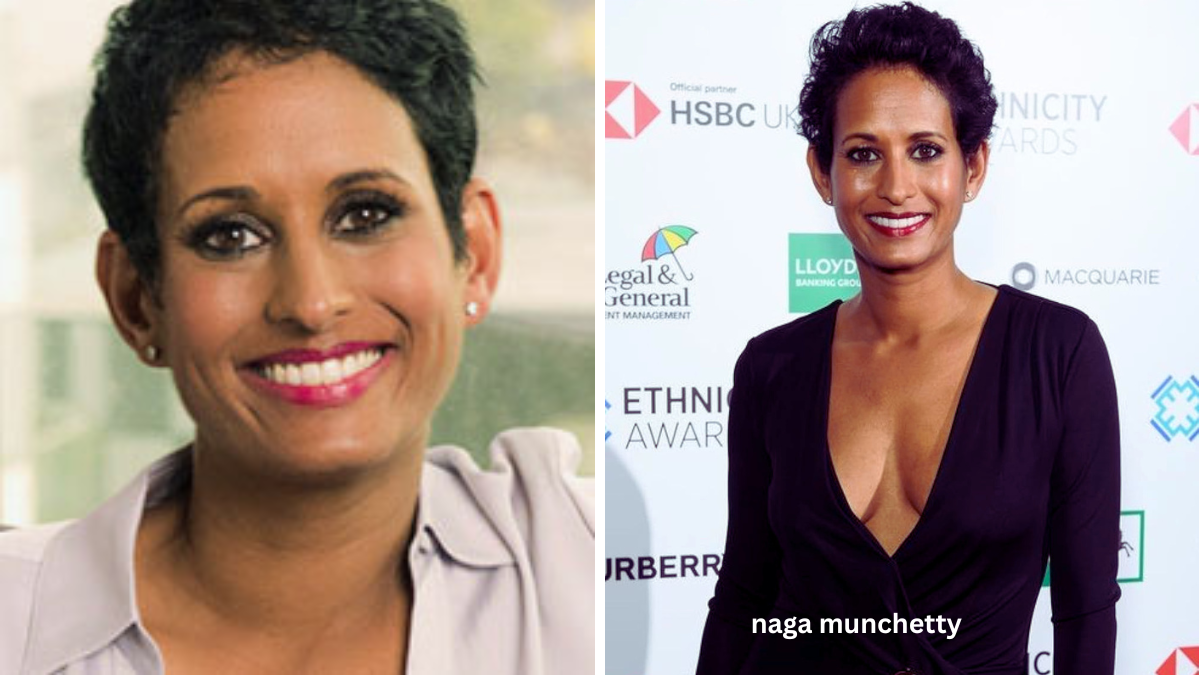
Naga Munchetty has become one of the most recognizable faces in British broadcasting over the last decade. Known for her sharp interviewing style, calm on-screen presence, and ability to balance professionalism with warmth, she has built a reputation that extends far beyond traditional morning television. Whether discussing politics, social issues, sports, or everyday life, she brings authenticity and intelligence to every conversation.
In modern media, audiences increasingly value presenters who feel genuine rather than scripted. That shift has helped elevate broadcasters who are willing to speak openly, challenge assumptions, and connect naturally with viewers. Naga Munchetty fits perfectly into that category. Her rise through journalism reflects persistence, adaptability, and a clear understanding of how television and radio audiences have evolved.
From her early years in reporting to becoming a central figure on British television, her career story offers insight into the changing landscape of media. Along the way, she has also become an influential public voice on issues including racism, equality, workplace culture, and representation in journalism. Her ability to remain composed under pressure while still expressing empathy has made her stand out in an industry often criticized for being overly polished or disconnected.
This article explores her background, broadcasting career, journalism style, public influence, personal interests, achievements, controversies, and long-term legacy in modern media culture.
Early Life and Cultural Background
Born in London, Naga Munchetty grew up in a multicultural household that shaped much of her worldview. Her mother is from India, while her father has Mauritian heritage. Growing up in Britain while carrying strong South Asian cultural roots gave her a broad perspective on identity, society, and belonging.
The environment she experienced as a child was one where education, hard work, and resilience were deeply valued. These qualities later became visible throughout her professional career. Like many children raised in multicultural families, she learned how to navigate different social spaces while maintaining confidence in her own identity.
Her upbringing also exposed her to the subtle realities of race and representation in British society. Long before diversity became a major topic in mainstream broadcasting, many ethnic minority journalists faced barriers in television media. The industry often lacked visible representation, particularly in high-profile presenting roles. Seeing someone like Naga Munchetty rise to prominence has therefore carried symbolic importance for many viewers.
She attended school in Hertfordshire before continuing her studies in English literature and language. Her educational background strengthened her communication skills and deepened her interest in storytelling, writing, and analysis. These skills would later become central to her work as a journalist and presenter.
Even during her younger years, she showed a natural curiosity about people and current affairs. That curiosity eventually became the foundation of her journalism career. Rather than entering media through celebrity culture or entertainment alone, she approached broadcasting through reporting, analysis, and news presentation.
Her multicultural identity has remained an important part of her public image. She has spoken openly about race, representation, and cultural understanding throughout her career, often bringing nuance and honesty to conversations that many broadcasters avoid.
Entering the World of Journalism
Like many successful broadcasters, her journey did not begin with instant fame or prime-time television. Early in her career, she worked in financial journalism and business reporting. These experiences helped her develop analytical skills and confidence in handling complex topics.
Before becoming widely known on television, she worked for several media outlets covering financial markets, business trends, and economic news. This foundation distinguished her from presenters who entered broadcasting through entertainment backgrounds. She understood how to break down technical information in ways that ordinary viewers could easily understand.
Financial reporting can be demanding because it requires accuracy, speed, and clarity. These early experiences helped shape the calm and composed communication style audiences later came to associate with her television work.
Her move into television broadcasting marked a significant turning point. As she gained more experience on-screen, viewers began noticing her professionalism and natural interviewing abilities. She was capable of handling serious political discussions while also maintaining warmth during lighter segments.
The transition from financial journalism to mainstream broadcasting also demonstrated her versatility. Few presenters successfully move across multiple areas of journalism, yet she managed to cover business, politics, lifestyle, and social issues without appearing out of place.
Her steady rise through the media industry reflected years of preparation rather than overnight success. In an era where viral fame often dominates entertainment, her career serves as an example of gradual professional development built on credibility and skill.
Becoming a BBC Breakfast Star
One of the defining chapters of her career came when she joined the team at BBC and became a presenter on the popular morning program BBC Breakfast. The show reaches millions of viewers and plays a major role in shaping public conversation each morning.
Morning television demands a unique combination of qualities. Presenters must deliver breaking news, conduct interviews, handle emotional stories, and create a welcoming atmosphere for audiences starting their day. Naga Munchetty quickly proved she could balance all these responsibilities effectively.
Her on-screen chemistry with co-hosts became one of the reasons audiences connected with the program. Rather than relying on exaggerated television personalities, she presented herself naturally. That authenticity helped her stand out in a crowded broadcasting environment.
Viewers appreciated her ability to challenge political figures and public officials during interviews. She often asked direct questions while remaining professional and composed. In political journalism, maintaining this balance is difficult, especially during live television broadcasts.
A well-known quote associated with her broadcasting style reflects this approach:
“People at home deserve honest answers, not rehearsed talking points.”
That straightforward attitude earned respect from many viewers who felt frustrated by overly cautious political interviews elsewhere on television.
Her work on morning television also showed her versatility. One moment she might discuss international politics, while the next she could transition into conversations about sports, mental health, or cultural events. This flexibility is one reason her broadcasting career continued to grow steadily.
Career Milestones Table
| Year | Career Milestone | Significance |
|---|---|---|
| Early 2000s | Entered financial journalism | Built strong reporting foundation |
| Mid-2000s | Transitioned into television presenting | Expanded public profile |
| 2010 | Joined BBC Breakfast | Became nationally recognized |
| 2013 | Increased political interview presence | Strengthened journalism reputation |
| 2017 | Hosted major BBC programs | Expanded broadcasting influence |
| 2019 | Public discussion on racism gained attention | Became influential social voice |
| 2021 | Continued radio and television growth | Demonstrated multi-platform success |
| 2024 | Remained a leading British broadcaster | Maintained cultural relevance |
Interviewing Style and Journalism Approach
One reason audiences continue to admire Naga Munchetty is her interviewing style. She combines directness with emotional intelligence, creating conversations that feel serious without becoming hostile.
Many television interviews fail because presenters either appear too aggressive or too passive. Her style sits somewhere between those extremes. She asks difficult questions while still allowing guests space to explain their views.
This balance became particularly important during political interviews. Public trust in media has changed significantly over the years, and viewers increasingly expect journalists to hold public figures accountable. Her willingness to press for clarity often resonated strongly with audiences.
At the same time, she avoids unnecessary theatrical behavior. Some broadcasters focus more on creating viral moments than meaningful discussions. Her approach tends to prioritize substance over performance.
Another strength is her ability to adapt tone depending on the subject matter. When discussing sensitive topics such as grief, illness, or discrimination, she demonstrates empathy and patience. During lighter segments, she allows humor and personality to emerge naturally.
Her background in financial journalism also contributes to her analytical interviewing skills. She understands statistics, policy details, and economic discussions more deeply than many television personalities. That knowledge often allows her to challenge vague political language effectively.
Over time, her broadcasting style has become associated with credibility and professionalism. Viewers may not always agree with every perspective presented on television, but many respect presenters who communicate honestly and intelligently.
Representation and Diversity in Broadcasting
The success of Naga Munchetty has broader cultural importance because representation in media still matters deeply. British television has historically struggled with diversity, especially in senior presenting roles.
Her visibility on national television helped challenge outdated assumptions about who could become the face of mainstream broadcasting. For younger viewers from ethnic minority backgrounds, seeing someone who shares aspects of their cultural identity on major television programs can be powerful.
Representation is not only about visibility; it also affects perspective. Journalists with different life experiences may approach stories differently, ask different questions, and notice issues others overlook. Diversity strengthens journalism by broadening the range of voices and experiences included in public conversation.
She has spoken publicly about race and discrimination on several occasions, often drawing from personal experiences. These moments have sometimes generated national discussion because they touched on issues many people quietly experience but rarely discuss openly.
One of her most widely discussed comments came during a conversation about racism, where she explained that discriminatory remarks can leave lasting emotional impact even when people try to dismiss them casually.
That willingness to discuss uncomfortable realities helped establish her as more than just a television presenter. She became an important public voice in broader conversations about modern British identity and social equality.
Her influence also reflects changing audience expectations. Viewers increasingly value authenticity and social awareness in public figures. Rather than remaining distant from important issues, audiences often respect broadcasters who engage thoughtfully with real-world experiences.
Radio Career and Broadcasting Range
Although many people primarily recognize her from television, radio has also played a major role in her career. Working across both television and radio demonstrates a level of broadcasting versatility that relatively few presenters achieve successfully.
Radio requires different communication skills because presenters cannot rely on visual presence. Voice, pacing, tone, and conversational ability become even more important. Her success in radio therefore highlights the strength of her communication abilities.
She has hosted programs on BBC Radio 5 Live, where discussions often focus on current affairs, interviews, sports, and public debate. Radio audiences tend to value authenticity because the medium feels more personal and conversational than television.
Listeners appreciate presenters who sound intelligent without becoming overly formal. Her communication style works especially well in this environment because she combines professionalism with accessibility.
Radio also allows for deeper conversations than many television segments, which are often limited by time constraints. This format gave her opportunities to explore topics more thoroughly and connect with audiences differently.
Her continued success across multiple media platforms demonstrates adaptability in a rapidly changing industry. Modern broadcasters increasingly need skills that extend beyond traditional television presenting, including digital engagement, audio broadcasting, and social discussion.
Public Conversations About Racism and Identity
Few moments in her public career generated more attention than her discussions surrounding racism and personal experience. These conversations became nationally significant because they reflected wider debates happening throughout Britain.
During a televised discussion about racist remarks, she shared experiences from her own life and challenged the idea that casual racism should simply be ignored. Her comments resonated with many viewers who had faced similar experiences.
The response demonstrated how strongly audiences connected with honesty and vulnerability from public figures. Rather than speaking abstractly about discrimination, she described its emotional reality in personal terms.
This willingness to engage publicly with difficult topics sometimes brought criticism, but it also strengthened her reputation among viewers who appreciated authenticity. Public broadcasting can place journalists under intense scrutiny, especially when social issues become politically sensitive.
Her approach to these conversations reflected an important aspect of modern journalism: human experience matters. Statistics and headlines alone rarely capture the emotional reality behind social problems. By speaking personally, she helped humanize broader discussions about race and discrimination.
She also emphasized that conversations about racism are not solely about anger or division. They are often about understanding, empathy, and recognition of lived experiences.
These public discussions expanded her influence beyond broadcasting alone. She became part of larger national conversations about representation, equality, and cultural understanding in Britain.
Personal Interests Beyond Television
One reason audiences connect with Naga Munchetty is that she appears relatable despite her high-profile media career. Over the years, viewers have learned more about her interests outside journalism, which adds depth to her public image.
Golf is one of her best-known passions. She has spoken openly about her enthusiasm for the sport and has participated in various golfing events and discussions. Her involvement also helped bring visibility to women in golf, a sport often perceived as male-dominated.
Sports interests can significantly shape a broadcaster’s connection with audiences because they reveal personality beyond formal journalism. Her passion for golf, in particular, showed viewers another side of her life away from political interviews and breaking news coverage.
She has also discussed lifestyle topics including health, work-life balance, and personal wellbeing. These conversations often feel grounded rather than performative because she tends to speak in a straightforward and relatable way.
Another aspect of her public image is humor. While known for serious journalism, she also demonstrates wit and warmth during lighter television moments. This balance helps audiences feel comfortable and engaged.
Her personality on-screen feels consistent with how colleagues describe her off-screen: professional, thoughtful, intelligent, and approachable. In modern media culture, authenticity has become increasingly important because audiences quickly recognize overly manufactured personalities.
Challenges of Modern Broadcasting
Working in modern media comes with constant pressure. Broadcasters face criticism from multiple directions, especially in the age of social media where public reaction is immediate and relentless.
Naga Munchetty has experienced these challenges firsthand. High-profile presenters are frequently scrutinized for their tone, opinions, expressions, and interview approaches. Even minor moments can become major online discussions within hours.
Despite this environment, she has maintained a steady professional reputation. Her ability to remain composed under public scrutiny reflects emotional resilience and extensive broadcasting experience.
Modern journalism also faces broader institutional challenges including declining trust in media, political polarization, and the rapid spread of misinformation online. Presenters now operate in an environment far more intense than previous generations of broadcasters experienced.
The demand for constant news coverage can also create exhaustion within the industry. Morning television schedules, in particular, require long hours and intense preparation. Maintaining energy and professionalism under those conditions is not easy.
Her continued success suggests strong discipline and adaptability. Many media personalities struggle to maintain relevance over long periods, especially as audience preferences evolve. She has remained important partly because her communication style feels modern without appearing artificial.
Influence on Younger Journalists
For aspiring journalists, her career offers several important lessons. First, expertise matters. Her foundation in financial reporting gave her credibility that later strengthened her television career.
Second, authenticity has value. Audiences increasingly prefer presenters who feel human and emotionally aware rather than distant or robotic. Her broadcasting style reflects this cultural shift clearly.
Third, versatility is essential in modern media. She succeeded across television, radio, news analysis, interviews, and public discussion. Younger journalists entering the industry today often need similarly broad skill sets.
Representation also plays an important role in inspiration. Seeing successful broadcasters from diverse backgrounds can encourage young journalists who previously felt excluded from mainstream media spaces.
Her career demonstrates that journalism is not only about delivering information. It is also about communication, empathy, trust, and cultural understanding.
A quote often associated with her professional mindset captures this perspective well:
“Journalism works best when people feel seen, heard, and respected.”
That idea reflects why audiences continue to connect with her work even as the media landscape changes rapidly.
Public Image and Media Legacy
Over time, Naga Munchetty has evolved from television presenter to influential media figure. Her reputation now extends beyond individual programs because she represents broader shifts happening within journalism and broadcasting.
One major aspect of her legacy involves professionalism. In a media environment often dominated by sensationalism, she built a career around credibility and intelligent communication.
Another aspect involves representation. Her visibility as a successful British Asian broadcaster contributed to broader conversations about diversity in mainstream media.
Her interviews and public discussions also reflect changing expectations for journalists. Modern audiences increasingly expect broadcasters to demonstrate both expertise and emotional awareness. She successfully combines these qualities.
Importantly, her influence reaches beyond politics or news alone. Through radio, television, sports discussions, lifestyle conversations, and public commentary, she has built a multidimensional media presence.
Her career also highlights the enduring importance of public broadcasting institutions. Programs like BBC Breakfast continue shaping national conversation each morning, and presenters play a major role in maintaining audience trust.
As younger generations consume news differently through digital platforms and social media, broadcasters who communicate clearly and authentically remain especially valuable. Her success suggests audiences still appreciate thoughtful journalism delivered with humanity.
Why Audiences Continue to Connect With Her
Public trust is difficult to earn and even harder to maintain. One reason audiences continue connecting with Naga Munchetty is consistency. Over many years, viewers have seen a presenter who appears steady, informed, and genuine.
She avoids exaggerated television behavior that can make presenters seem disconnected from ordinary people. Instead, her style feels conversational and grounded.
Viewers also appreciate emotional intelligence. Journalism is not simply about facts; it also involves understanding human experience. Her interviews often reflect awareness of emotional context without losing journalistic focus.
Another reason for her popularity is relatability. Despite her professional success, she often appears approachable rather than distant. Audiences tend to trust presenters who feel real rather than overly polished.
Her willingness to speak openly about personal experiences also strengthened public connection. In modern media culture, vulnerability can create trust when expressed thoughtfully and sincerely.
Importantly, she represents professionalism without coldness. This balance is increasingly rare in television journalism, where some personalities lean too heavily toward either detached formality or entertainment-focused performance.
The Future of Her Broadcasting Career
Looking ahead, it seems likely that Naga Munchetty will continue playing an influential role in British media. Her experience, credibility, and communication skills position her well for future opportunities across television, radio, publishing, and public discussion.
Broadcasting itself is evolving rapidly. Streaming platforms, podcasts, digital journalism, and social media have changed how audiences consume information. Yet presenters with strong communication abilities remain highly valuable regardless of platform.
She has already demonstrated adaptability throughout her career, transitioning across different media formats successfully. That adaptability will likely remain one of her greatest professional strengths.
There is also growing demand for journalists who can balance authority with humanity. Audiences increasingly reject overly scripted broadcasting styles and instead seek presenters who feel emotionally intelligent and trustworthy.
Her influence may eventually extend further into documentary work, long-form interviews, or broader cultural commentary. Many experienced broadcasters evolve into these roles as their careers mature.
Whatever direction her future takes, her impact on British broadcasting is already significant. She helped shape conversations about journalism, identity, professionalism, and representation during an important period in media history.
Conclusion
Naga Munchetty represents a modern form of journalism built on intelligence, authenticity, resilience, and human connection. Her rise from financial reporting to becoming one of Britain’s most recognizable broadcasters reflects years of dedication and professional growth.
Throughout her career, she has balanced serious journalism with relatability, challenging interviews with empathy, and professionalism with personality. These qualities helped her earn audience trust in a media environment where credibility is increasingly valuable.
Her influence extends beyond television screens. Through conversations about race, representation, identity, and modern society, she became an important cultural voice as well as a respected broadcaster.
As journalism continues evolving in the digital age, her career offers an example of how broadcasters can remain relevant by staying informed, adaptable, and authentic. Whether through television, radio, or public discussion, her work continues shaping how audiences engage with news and media in contemporary Britain.
FAQ
Who is Naga Munchetty?
Naga Munchetty is a British television presenter, journalist, and radio host best known for her work on BBC Breakfast and BBC Radio 5 Live. She is recognized for her sharp interviewing style, professionalism, and thoughtful discussions on social and political issues.
What is Naga Munchetty famous for?
She is widely known for presenting BBC Breakfast, conducting political interviews, and participating in public conversations about racism, diversity, and equality. Her calm but direct broadcasting style has made her one of Britain’s most respected television journalists.
What is Naga Munchetty’s background?
She was born in London and comes from a multicultural family with Indian and Mauritian heritage. Her upbringing influenced her perspective on identity, representation, and cultural understanding throughout her journalism career.
Has Naga Munchetty worked in radio?
Yes, she has worked extensively in radio broadcasting through BBC Radio 5 Live. Her radio work includes interviews, current affairs discussions, sports coverage, and public debate programs.
What makes Naga Munchetty different from other presenters?
Her ability to combine professionalism, empathy, intelligence, and authenticity helps her stand out. Audiences appreciate that she asks direct questions while maintaining respect and emotional awareness during interviews.
What are Naga Munchetty’s interests outside journalism?
Outside broadcasting, she is known for her passion for golf and sports. She has also spoken publicly about wellbeing, lifestyle topics, and balancing professional life with personal interests.
Why is Naga Munchetty considered influential?
She is considered influential because of her impact on modern British broadcasting, her role in promoting diversity and representation in media, and her willingness to discuss important social issues openly and honestly.