
Introduction
Snow crab is one of the most cherished seafood delicacies in the world, known for its sweet, delicate flavor and tender texture. Whether enjoyed in fine dining restaurants or prepared at home, snow crab has become a favorite among seafood enthusiasts and casual eaters alike. Its popularity is not only due to its taste but also because of its nutritional benefits and versatility in cooking. From crab boils to elegant crab salads, this crustacean adds a touch of sophistication to any meal.
Beyond its culinary appeal, snow crab also plays a significant role in the global seafood market. Countries like Canada, the United States, and Russia are major suppliers, with a robust industry built around sustainable harvesting and international trade. Understanding snow crab, from its habitat to its nutritional value, is essential for consumers who want to make informed choices. This guide aims to cover everything about snow crab: its biology, methods of catching, health benefits, cooking techniques, and global culinary significance. By the end, readers will gain not only knowledge but also practical tips to select, prepare, and enjoy snow crab responsibly.
Seafood lovers increasingly prioritize sustainability and quality when choosing their meals, and snow crab is no exception. The delicate balance between commercial demand and ecological preservation has brought attention to responsible fishing practices. Choosing snow crab that is harvested sustainably ensures that future generations can enjoy this delicacy without harming ocean ecosystems. Moreover, proper preparation and cooking techniques enhance its natural flavors while preserving essential nutrients. This comprehensive guide is your ultimate companion to becoming an informed snow crab aficionado, whether you’re cooking at home or dining out.
What Is Snow Crab?
Snow crab, scientifically known as Chionoecetes opilio, is a cold-water crustacean predominantly found in the North Atlantic and North Pacific Oceans. These crabs are easily recognizable by their long, slender legs, reddish-brown shells, and white underbellies. Adult snow crabs typically weigh between 1.5 to 3 pounds, though their legs can span up to two feet in length. Their exoskeleton provides protection from predators while allowing for efficient movement across the ocean floor, where they primarily reside.
Habitat is a crucial factor in understanding snow crab. They thrive in cold, deep waters with temperatures ranging from 28 to 38 degrees Fahrenheit. The continental shelf areas of Canada, Alaska, and Russia provide ideal environments rich in nutrients, which contribute to the crab’s sweet and delicate flavor. Snow crabs are bottom dwellers, often burrowing into the seabed or hiding beneath rocks to evade predators. Their diet mainly consists of small fish, mollusks, and detritus, which helps them grow and develop their signature taste.
The life cycle of snow crab is fascinating and plays a vital role in population management. Snow crabs typically live up to 15 years, reaching maturity around five years. Females carry eggs under their abdomen, which hatch into tiny larvae that drift in the ocean currents before settling on the seabed. This reproductive cycle is sensitive to environmental conditions and overfishing, which is why sustainable fishing practices are critical to maintaining a healthy population. Understanding these biological and ecological aspects provides insight into the care and attention needed to harvest snow crab responsibly.
Snow Crab Fishing and Sustainability
Snow crab harvesting has evolved into a sophisticated industry guided by sustainable practices and international regulations. Fishermen use specialized traps or pots to catch snow crab, minimizing bycatch and reducing harm to the ocean floor. Each trap is baited to attract crabs while allowing juvenile or non-target species to escape. Catching seasons are carefully regulated, ensuring that crabs have adequate time to reproduce and maintain population levels.
Sustainability is a major concern in snow crab fishing. Certifications such as the Marine Stewardship Council (MSC) label indicate that the crab has been sourced responsibly. These programs ensure that fishing practices do not deplete natural populations and maintain the balance of marine ecosystems. Overfishing, habitat destruction, and climate change pose ongoing challenges, making responsible consumer choices crucial. Supporting sustainably harvested snow crab contributes to the preservation of ocean biodiversity.
Environmental considerations extend beyond population management. Snow crab fishing operations are continuously monitored to minimize the ecological footprint. Technologies like GPS tracking and sonar mapping help fishermen avoid sensitive areas, ensuring that seabeds and coral reefs remain intact. Moreover, international agreements regulate quotas and catch limits to prevent overexploitation. By prioritizing sustainability, both the fishing industry and consumers can enjoy snow crab for generations to come, balancing the economic and ecological importance of this precious seafood.
Nutritional Value and Health Benefits

Snow crab is a nutritional powerhouse, making it an excellent addition to a healthy diet. It is high in protein while being low in fat and calories, making it ideal for those seeking lean sources of nutrition. A standard serving provides essential amino acids that support muscle growth, repair, and overall body function. Unlike many other protein sources, snow crab offers rich flavor without excessive calories, making it a favorite for health-conscious eaters.
In addition to protein, snow crab is packed with vitamins and minerals that promote well-being. It is a significant source of vitamin B12, which supports nerve function and red blood cell production. Minerals such as zinc, selenium, and copper contribute to immune health, antioxidant defense, and metabolic function. Omega-3 fatty acids present in snow crab help reduce inflammation, improve heart health, and enhance brain function. Incorporating snow crab into a balanced diet provides both taste and nutrition.
While the health benefits are extensive, there are dietary considerations to keep in mind. Snow crab is a shellfish and can trigger allergic reactions in sensitive individuals. Moderation is key, as excessive sodium may be present in pre-cooked or processed crab products. Nevertheless, when prepared fresh and consumed responsibly, snow crab can be a delicious, nutrient-rich addition to meals. Its unique combination of lean protein, essential vitamins, and trace minerals makes it a standout option for anyone looking to enjoy seafood without compromising health.
How to Choose and Store Snow Crab
Selecting high-quality snow crab begins with knowing what to look for in both fresh and frozen options. Fresh snow crab should have a firm, moist texture with a sweet ocean aroma, free from any off-putting smells. The shell should be intact, vibrant, and free from cracks, indicating the crab has been handled carefully. For frozen crab, always check packaging for proper sealing and storage conditions to ensure freshness is preserved.
Proper storage is critical for maintaining flavor and safety. Fresh snow crab should be kept in the refrigerator at temperatures between 32 and 38 degrees Fahrenheit and consumed within a few days of purchase. Frozen crab can be stored for several months but should be thawed gradually in the refrigerator rather than at room temperature to prevent bacterial growth. Once cooked, leftover crab should be stored in airtight containers and eaten within three days.
By selecting high-quality snow crab and storing it correctly, consumers can enjoy its full flavor and nutritional benefits. Whether purchasing from a local fish market or grocery store, paying attention to appearance, smell, and handling practices ensures a safe and delicious dining experience. Proper storage not only extends shelf life but also preserves the tender texture and sweet taste that make snow crab a seafood favorite.
Cooking and Serving Snow Crab

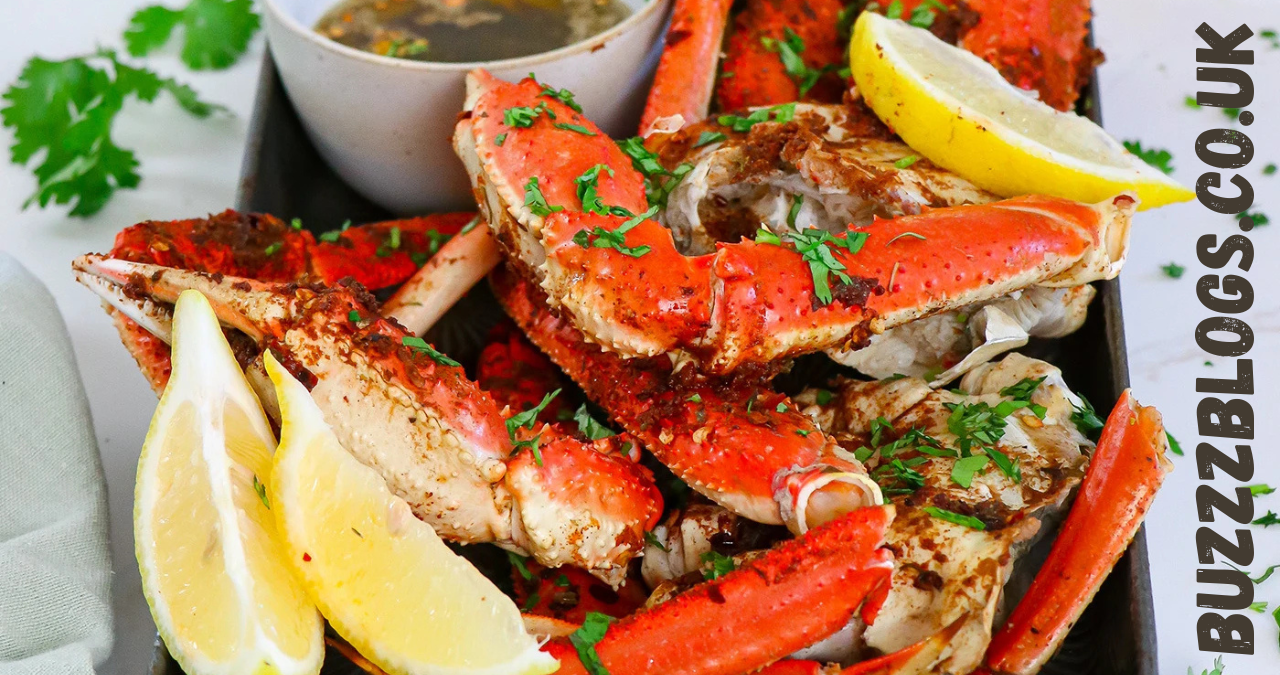
Snow crab’s versatility makes it ideal for a variety of culinary preparations. Steaming and boiling are classic methods that preserve the crab’s natural flavor and moisture. For those seeking a richer taste, grilling or baking with butter, garlic, and herbs enhances its delicate sweetness. Cooking snow crab is straightforward, making it accessible even for novice home cooks while still impressing at gourmet meals.
Popular dishes highlight the crab’s adaptability. Snow crab legs are often served with melted butter or seasoned sauces, while crab cakes provide a flavorful entrée with minimal preparation. Seafood boils, combining snow crab with shrimp, corn, and potatoes, create a festive, communal dining experience. Beyond traditional recipes, creative dishes like crab salads, pasta, and sushi showcase snow crab’s potential in modern cuisine.
Serving snow crab can be as simple or elaborate as desired. Pairing it with citrus, garlic butter, or light sauces complements its natural flavor without overpowering it. Presentation also enhances the dining experience, from rustic seafood platters to refined gourmet plates. By exploring different cooking techniques and recipes, snow crab enthusiasts can fully appreciate its delicate flavor and tender texture, making every meal memorable.
Snow Crab Around the World
Snow crab enjoys culinary fame across continents, with regional traditions shaping its preparation and consumption. In Japan, snow crab is a seasonal delicacy, often served as sashimi or in hot pots known as kani nabe. Canadian cuisine emphasizes fresh crab legs, often enjoyed steamed with butter during festive occasions. In the United States, snow crab is a staple in seafood boils and crab festivals, celebrating local harvests.
Russian cuisine highlights snow crab in chilled seafood salads or as part of luxurious seafood platters. Each culture adapts the crab to its culinary style, reflecting local tastes, traditions, and ingredients. From fine dining establishments to street markets, snow crab bridges the gap between casual enjoyment and gourmet indulgence, offering a versatile protein source that can suit diverse palates.
Cultural significance extends beyond taste. Snow crab often features in festivals, holidays, and celebrations, symbolizing abundance and prosperity. Its seasonal availability creates anticipation and excitement, making it a highlight of winter and early spring feasts. Exploring snow crab through global culinary practices enriches appreciation for its flavor and highlights the universal enjoyment of this ocean delicacy.
Conclusion
Snow crab is more than just a delicious seafood option; it is a testament to nature’s bounty, careful harvesting, and culinary creativity. From its cold-water habitats to global dining tables, snow crab captivates with its delicate flavor, nutritional richness, and versatility. By choosing sustainably harvested crab and mastering preparation techniques, consumers can enjoy this crustacean responsibly while supporting marine conservation.