
Introduction
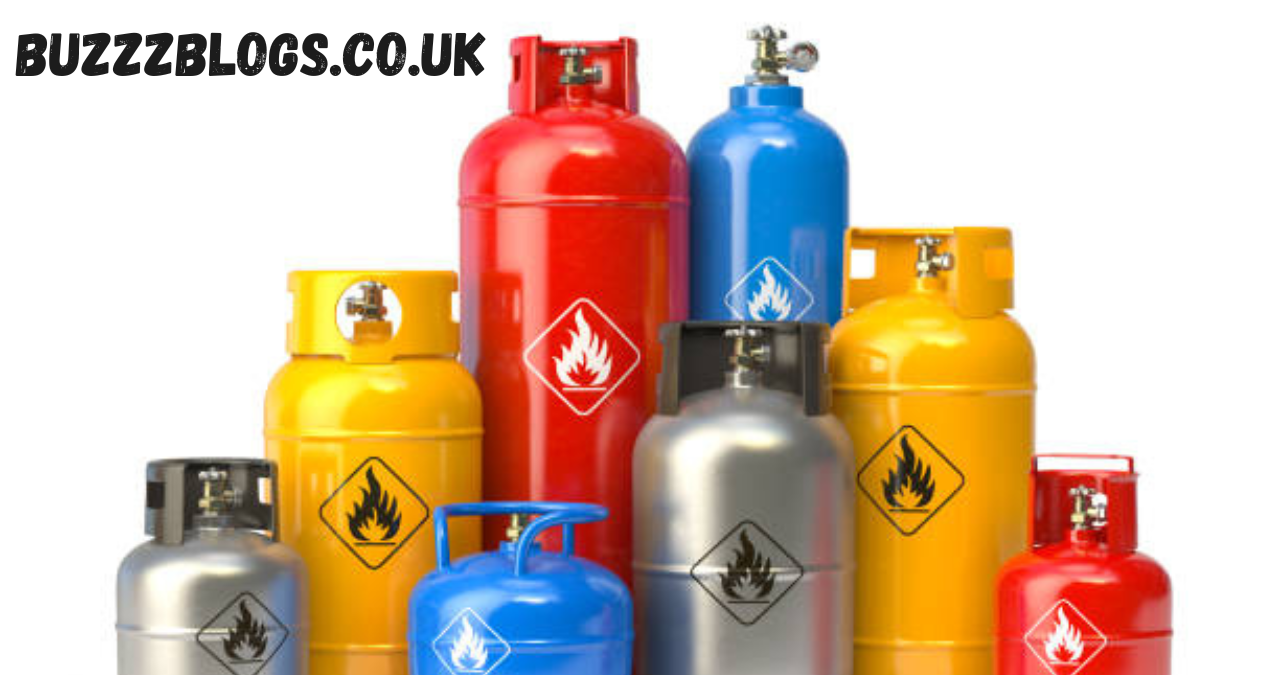
Gas image may seem like simple photographs or illustrations at first glance, but they are a powerful tool that bridges science, technology, and creativity. A gas image visually represents gases, vapors, or smoke in a way that highlights their movement, behavior, or composition. Unlike solids or liquids, gases are invisible under normal conditions, making their visualization a unique challenge that has captivated scientists, engineers, and artists alike. From detecting hazardous leaks in industrial facilities to creating mesmerizing visuals in films and advertisements, gas image serve multiple purposes.
In the modern world, gas visualization has grown increasingly important. Industries such as chemical manufacturing, oil and gas, and environmental monitoring rely on precise gas imaging techniques to ensure safety and efficiency. Meanwhile, scientists use gas image to study molecular behavior, airflow dynamics, and pollution patterns. Even in creative fields, artists harness the dynamic movement and ethereal qualities of gases to craft compelling visual stories. By understanding the science and techniques behind gas imaging, individuals can unlock both practical applications and creative opportunities.
This article delves deep into the fascinating world of gas image, exploring the science behind gases, the various methods used to capture them, their applications, and the challenges involved. Whether you are a scientist seeking accurate visual data or an artist looking to capture the ephemeral beauty of gases, this guide offers valuable insights into every aspect of gas imaging.
Understanding Gas and Its Properties
Before exploring gas image, it’s essential to understand what gas is and why it behaves differently from solids or liquids. Scientifically, a gas is a state of matter in which particles move freely, spread out to fill any container, and have neither a fixed shape nor a definite volume. This makes gases inherently difficult to capture visually because they are transparent and constantly changing. Their behavior is influenced by physical properties such as pressure, temperature, density, and molecular composition, all of which affect how they can be imaged.
The movement of gases is also governed by fundamental principles of physics and chemistry. For instance, gases expand when heated and compress under high pressure, which can create visually observable patterns under specialized imaging conditions. Some gases, like smoke or vapor, are easier to visualize because they carry tiny particles that scatter light. Others, such as natural gas, are entirely invisible under normal lighting, requiring advanced techniques like infrared or laser-based imaging to detect. Understanding these properties is critical for selecting the appropriate imaging method and ensuring that the resulting images accurately represent the gas’s behavior.
Furthermore, gases interact with light in unique ways, affecting their visual representation. For example, gases can refract, absorb, or scatter light depending on their density and composition. These interactions are not only scientifically significant but also offer creative possibilities for photography and visual effects. By studying these physical and chemical behaviors, researchers and photographers can develop techniques that reveal the hidden beauty and complexity of gases, making invisible phenomena visible.
Techniques for Capturing Gas Image
Capturing gas image is a specialized skill that combines scientific knowledge with technical expertise. Traditional photography methods, such as high-speed photography or capturing smoke trails, allow photographers to freeze motion and reveal intricate patterns in gases. By controlling lighting, background, and exposure, these methods can produce striking images that emphasize movement and shape. While these techniques are accessible and visually impressive, they often rely on visible particles within the gas, limiting their application for fully transparent gases.
Scientific imaging methods, on the other hand, are designed for accuracy and precision. Techniques such as Schlieren photography and laser-induced fluorescence allow researchers to visualize changes in gas density and flow, even when the gas itself is invisible. Infrared (IR) imaging can detect heat signatures from gases, making it invaluable for monitoring industrial leaks or studying combustion processes. Tomography, commonly used in environmental and medical research, enables 3D visualization of gas distribution, offering an unparalleled level of detail. Each technique has its strengths and limitations, and the choice depends on the specific gas, its properties, and the desired outcome.
In addition to physical methods, digital and simulation approaches have transformed gas imaging. Computer-generated imagery (CGI) and simulation software can recreate gas behavior in virtual environments, providing flexibility for research, education, and entertainment. These tools allow users to manipulate gas density, flow, and interaction with other elements, creating realistic or stylized representations. By combining traditional, scientific, and digital methods, experts can capture gas image that are both visually stunning and scientifically accurate, expanding the possibilities for creative and practical applications.
Applications of Gas Image
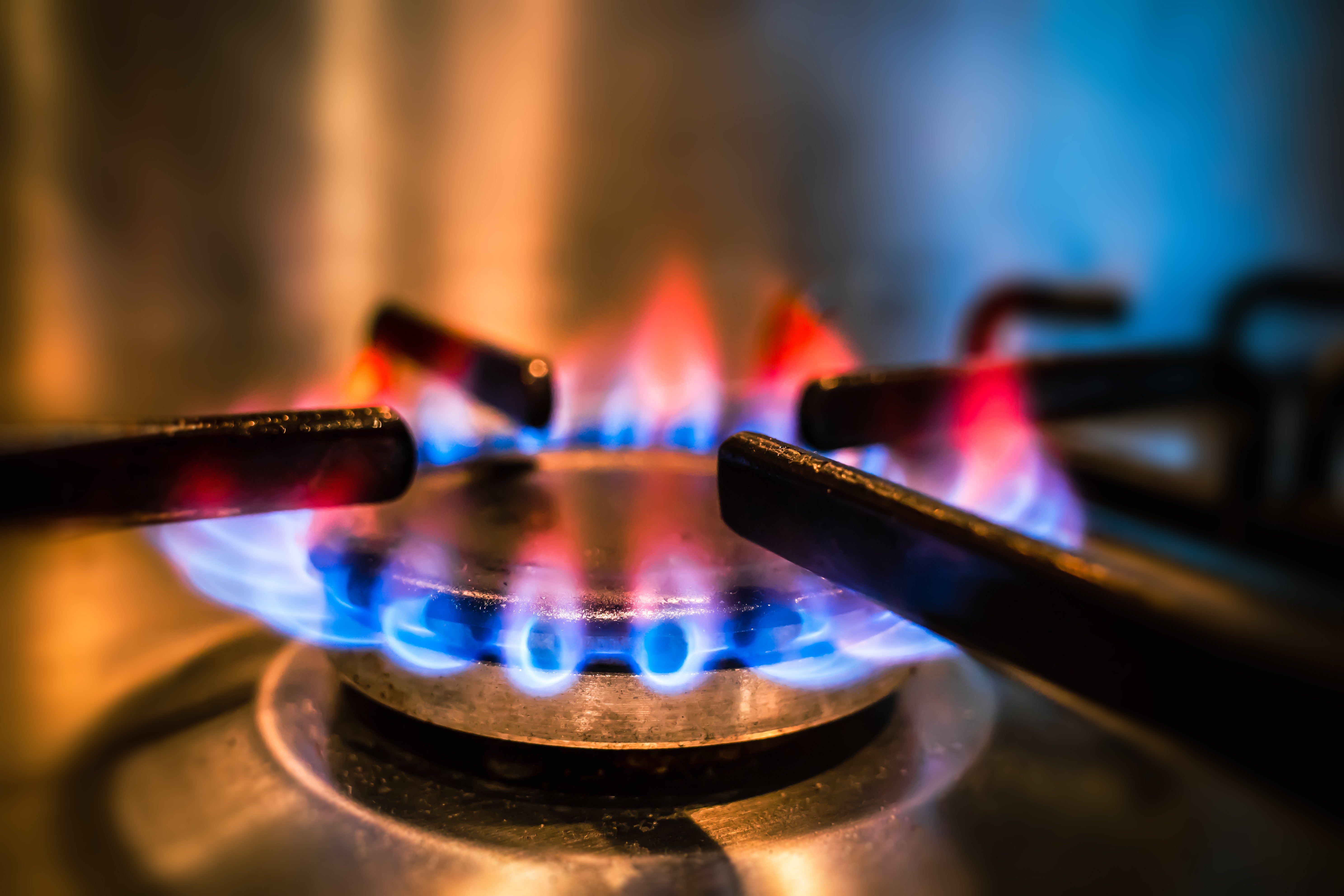
Gas image serve a wide range of purposes, from industrial safety to artistic expression. In industrial settings, accurate gas visualization is crucial for detecting leaks, monitoring hazardous gases, and preventing accidents. Chemical plants, refineries, and power stations use specialized imaging to identify dangerous gas concentrations before they reach critical levels. Beyond safety, gas imaging also supports research and innovation, helping engineers optimize processes, improve energy efficiency, and reduce environmental impact.
Environmental and scientific research also benefit greatly from gas imaging. Scientists track pollutants, greenhouse gases, and emissions from vehicles and factories to study air quality and climate change. Gas image provide a visual representation of invisible hazards, making it easier to understand patterns, concentrations, and movement. In laboratory experiments, researchers study molecular interactions, chemical reactions, and airflow dynamics, relying on gas imaging techniques to observe processes that would otherwise be invisible.
Creative industries use gas image to evoke emotion and enhance storytelling. In film, television, and advertisements, smoke, fog, and vapor effects create atmosphere, drama, or suspense. Artists use gas photography to explore abstract forms, textures, and colors, transforming fleeting moments into captivating visuals. The versatility of gas image makes them a bridge between science, safety, and creativity, allowing professionals from diverse fields to communicate complex ideas or aesthetic experiences visually.
Challenges in Capturing Gas Images
Despite advances in technology, capturing gas images remains a complex challenge. The primary difficulty lies in the invisible and fast-moving nature of gases. Unlike solids or liquids, gases often lack inherent visual features, making them difficult to detect without specialized equipment. Even visible gases, like smoke or vapor, require controlled lighting and exposure to reveal intricate patterns. Environmental factors such as wind, temperature fluctuations, and humidity can further complicate the imaging process.
Equipment limitations and cost also pose challenges. Advanced imaging tools like IR cameras, lasers, and tomography devices are expensive and require specialized training. High-speed photography demands precise timing and lighting setups, which can be difficult to achieve outside controlled environments. Despite these hurdles, researchers and photographers have developed strategies to overcome them, including using contrast agents, backlighting techniques, and digital enhancement to improve visibility.
Another challenge is maintaining accuracy while creating visually appealing images. Scientific gas imaging must balance aesthetics with data integrity, ensuring that visualizations accurately represent the gas’s behavior. This requires a deep understanding of physics, chemistry, and photography, along with careful planning and execution. By addressing these challenges, experts can produce gas images that are not only visually compelling but also scientifically reliable, making them valuable tools for a wide range of applications.
Future Trends in Gas Imaging

The field of gas imaging is evolving rapidly, driven by technological advancements and creative innovation. Emerging imaging technologies, such as high-resolution infrared cameras, adaptive optics, and AI-powered detection systems, are improving accuracy, speed, and accessibility. These tools allow real-time monitoring of gases in industrial, environmental, and laboratory settings, enabling faster decision-making and enhanced safety.
Artificial intelligence and machine learning are also transforming gas imaging. Algorithms can analyze vast amounts of imaging data, detecting patterns and anomalies that may be invisible to the human eye. AI-assisted visualization enhances research, industrial safety, and environmental monitoring, making gas imaging more efficient and precise. In creative industries, AI tools can simulate realistic gas behavior for films, animations, and interactive media, opening new avenues for artistic expression.
Looking ahead, gas imaging is likely to become more integrated with real-time monitoring systems, virtual simulations, and digital twins of industrial and environmental systems. This convergence of science, technology, and creativity will expand the applications of gas images, making them indispensable tools for research, innovation, safety, and artistic exploration.
Conclusion
Gas images reveal the invisible and transform it into something tangible, serving both scientific and artistic purposes. From understanding gas behavior in research labs to monitoring industrial hazards and creating mesmerizing visual effects, gas imaging offers a window into phenomena that are otherwise hidden from view. By mastering various techniques and understanding the underlying principles, professionals can produce accurate, compelling, and insightful gas images.
The challenges of capturing gas images—such as invisibility, movement, and environmental interference—are balanced by technological advancements and creative solutions. With ongoing developments in imaging tools, AI, and digital simulation, the future of gas imaging promises even greater precision, accessibility, and creative potential. Whether for safety, research, or artistry, gas images continue to push the boundaries of what we can see and understand in the invisible world around us.
FAQs
- What is a gas image and why is it important?
A gas image visually represents gases, vapors, or smoke to study behavior, detect hazards, or create artistic effects. It is crucial for safety, research, and creative purposes. - Which imaging techniques are most effective for visualizing gases?
Techniques like Schlieren photography, laser-induced fluorescence, infrared imaging, and high-speed photography are commonly used, depending on visibility and gas properties. - Can gas images be captured with regular cameras?
Yes, for visible gases like smoke or vapor, but specialized techniques are needed for invisible gases like natural gas. - How are gas images used in environmental monitoring?
Gas images track emissions, pollution, and air quality, providing visual insights for research and regulatory compliance. - What software is available for simulating gas images?
Simulation tools like ANSYS Fluent, COMSOL Multiphysics, and Blender’s fluid simulation module can recreate gas behavior digitally.