Introduction
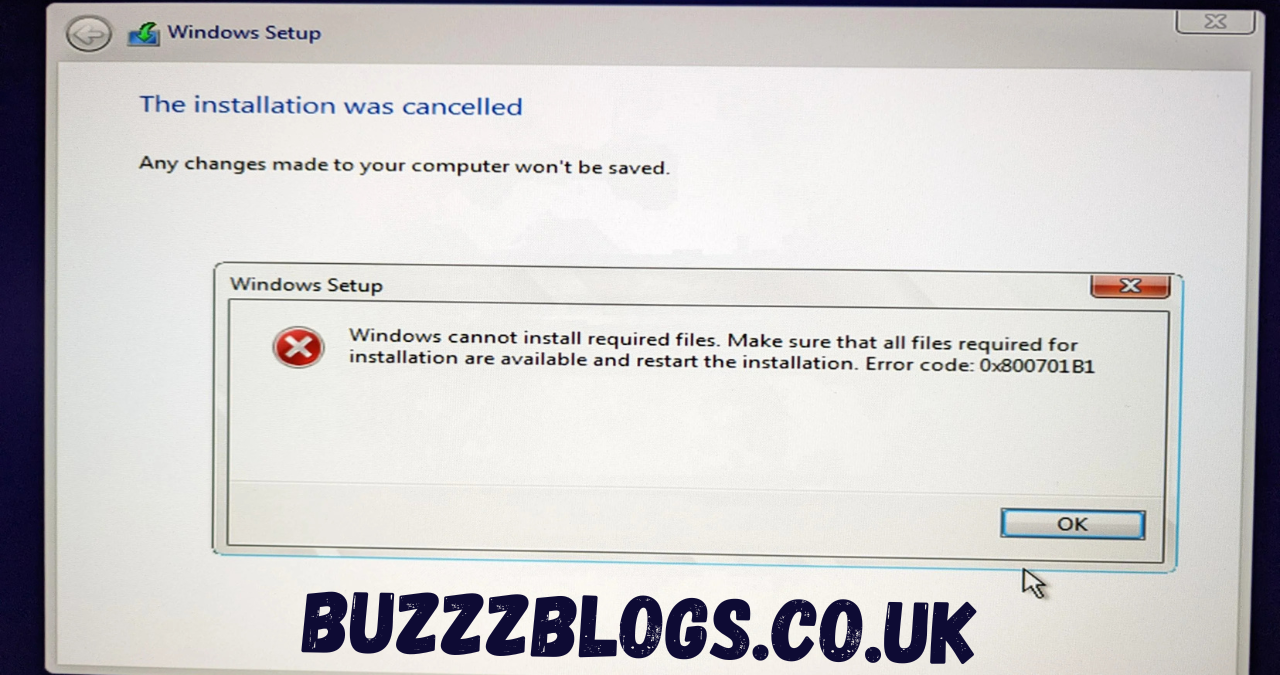
Error 0x800701b1 is one of the more frustrating issues Windows users can encounter, especially when attempting to transfer files or access external storage devices. It is a Windows-specific error that often appears when the operating system cannot read, write, or recognize a storage device properly. For many users, encountering this error can feel sudden and confusing, especially if the device was previously functioning without issues. The error may manifest during routine file transfers, system updates, or even backup operations, creating an interruption in workflow and raising concerns about potential data loss. Understanding the error and its root causes is essential for both immediate troubleshooting and long-term prevention.
From a technical standpoint, error 0x800701b1 often indicates a problem with the connection between the operating system and the storage device. This could stem from hardware malfunctions, corrupted drivers, or software conflicts. While the error message itself might seem cryptic, it is a signal that Windows is unable to complete an operation due to inaccessible storage media or system-level conflicts. Knowing the exact scenarios where this error occurs—such as connecting external hard drives, USB devices, or network drives—can help users identify the scope of the issue. In this article, we will explore the common causes of error 0x800701b1, methods for diagnosing it, effective solutions, and preventive measures that can help users avoid encountering the error in the future.
This guide aims to be comprehensive, providing actionable steps that even users with limited technical experience can follow. While the error can sometimes require advanced troubleshooting, most cases can be resolved with basic maintenance and system checks. By understanding the error thoroughly, users can not only fix current issues but also strengthen their systems against similar disruptions. Following the outlined solutions will ensure that you maintain smooth and reliable access to your storage devices, minimizing frustration and downtime.
1. Understanding Error 0x800701b1
Error 0x800701b1 is a Windows operating system error that typically occurs when the system cannot access a storage device or complete a file operation. The code itself is part of Windows’ error messaging system and signals a critical communication failure between the OS and the hardware. This can happen with internal drives, external hard drives, USB flash drives, or even network-attached storage. When the error appears, Windows may display messages such as “The request could not be performed because of an I/O device error” or “Windows cannot access the specified device, path, or file,” highlighting that the device or file is temporarily or permanently inaccessible.
From a user perspective, the symptoms are often clear: interrupted file transfers, failure to open certain directories, system freezes, or Windows Explorer becoming unresponsive. These issues can disrupt daily workflows and make users worry about data integrity. The error is particularly common when using older storage devices, poorly maintained drives, or corrupted system files. Recognizing the error early and understanding its meaning is key to applying the correct solutions without resorting to drastic measures like formatting the device, which could result in data loss.
It is also important to note that error 0x800701b1 does not usually indicate that a drive is permanently damaged. In many cases, the problem is fixable with proper troubleshooting. The error serves as a warning that something within the device-to-system communication chain is malfunctioning, whether due to software, drivers, or hardware issues. Understanding this distinction can save users from unnecessary panic and guide them toward effective resolution strategies.
1.2 Common Causes of Error 0x800701b1
The root causes of error 0x800701b1 can vary widely, ranging from simple user mistakes to deeper system malfunctions. One common cause is a faulty or corrupted external storage device. Hard drives and USB devices can accumulate bad sectors over time, leading to read/write failures. Similarly, internal storage devices can develop errors, particularly if they are older or have been subjected to abrupt shutdowns or power surges.
Driver-related issues are another significant factor. Outdated, missing, or incompatible drivers can prevent Windows from recognizing storage devices properly. When drivers fail to communicate effectively with the hardware, file operations may be interrupted, leading to error 0x800701b1. Additionally, malware or virus infections can corrupt critical system files, further complicating device communication. Users who frequently download files from untrusted sources are particularly susceptible.
Improper device handling is a more subtle cause but equally important. Removing a USB drive or external hard drive without safely ejecting it can disrupt the device’s file system and cause errors when reconnecting it. Even a minor lapse, like using a damaged cable or faulty USB port, can trigger the error. Recognizing these causes helps users understand that error 0x800701b1 is often preventable, and effective troubleshooting requires a methodical approach to both software and hardware components.
2. Diagnosing the Problem
![Newly Fixed] Error 0x800701b1 on Windows 10/11](https://www.isumsoft.com/images/windows-tips/how-to-fix-error-0x800701b1-on-windows-10-11/how-to-fix-error-0x800701b1-on-windows-10-11.png "error 0x800701b1")
Recognizing recurring patterns is also valuable. Users may notice that the error occurs after a Windows update or system reboot, suggesting that recent changes may have caused driver incompatibilities. Recording these patterns provides insights that can prevent trial-and-error approaches, saving both time and frustration. A systematic diagnosis often involves checking multiple potential sources, including device hardware, system drivers, and Windows settings.
Understanding the specific scenario of the error is crucial for determining the severity of the problem. In some cases, the device might be temporarily inaccessible but recoverable with a simple restart or reconnection. In others, persistent errors during multiple operations indicate deeper issues requiring advanced solutions. Clear identification allows users to select the appropriate diagnostic tools and avoid unnecessary actions that could risk data integrity.
2.2 Using Windows Built-In Tools for Diagnosis
Windows provides several built-in tools that help diagnose storage-related errors efficiently. CHKDSK (Check Disk) is a primary tool for scanning drives and repairing corrupted sectors. Running CHKDSK on the affected device often resolves minor errors that could trigger error 0x800701b1. Similarly, the Device Manager can be used to inspect driver health. Identifying outdated or conflicting drivers and updating or reinstalling them can eliminate communication problems between Windows and the hardware.
Event Viewer is another powerful diagnostic tool. It logs system-level errors, warnings, and notifications that provide detailed information about what caused the error and when it occurred. By examining Event Viewer logs, users can trace the error to specific devices, drivers, or system processes. Additionally, the System File Checker (SFC) scans and repairs corrupted Windows system files, which are a common cause of device access errors. Combining these tools provides a comprehensive approach, allowing users to pinpoint the source of the problem and apply targeted solutions.
Regular use of these diagnostic tools not only resolves immediate issues but also enhances overall system stability. Preventing recurrent errors involves addressing both hardware integrity and software consistency. Using built-in Windows tools ensures that the system’s health is continually monitored, making error 0x800701b1 easier to anticipate and prevent.
3. Solutions to Fix Error 0x800701b1

Before attempting advanced solutions, simple troubleshooting steps can often resolve error 0x800701b1. Restarting the system is a fundamental step that refreshes device connections and clears temporary glitches. Reconnecting the storage device to a different USB port or using a new cable can also solve hardware communication problems. Ensuring that the device is correctly recognized in Windows Explorer or Device Manager confirms whether the issue is resolved.
In some cases, unplugging all external devices and reconnecting only the affected device isolates the problem. Users should also check for visible signs of damage on USB ports, cables, or the storage device itself. Basic troubleshooting may seem simple, but it often resolves over 50% of storage-related errors without requiring advanced technical intervention.
3.2 Advanced Solutions
For persistent errors, more advanced solutions are necessary. Updating or reinstalling device drivers ensures that Windows communicates correctly with hardware. CHKDSK can repair disk errors and prevent further corruption. Running Windows Troubleshooter for hardware and devices automatically detects and fixes common device issues. In more severe cases, performing a System Restore to a previous stable point can revert changes that caused the error, restoring normal system function without affecting user files.
3.3 Preventive Measures
Preventing error 0x800701b1 is just as important as fixing it. Regular updates to system software and drivers reduce the risk of compatibility issues. Users should practice safe ejection techniques for external devices and routinely back up important data. Antivirus programs help protect against malware that can corrupt files or drivers, preventing errors before they occur. Maintaining proper storage hygiene ensures long-term reliability and reduces the likelihood of encountering this frustrating error.
4. When to Seek Professional Help

While many cases of error 0x800701b1 can be resolved independently, certain signs indicate the need for professional intervention. Persistent errors despite troubleshooting, unusual noises from drives, or repeated data corruption suggest hardware failure. Professional technicians can perform advanced diagnostics and data recovery, preserving valuable files that may otherwise be lost.
Understanding when to call for professional help balances cost, time, and risk. Attempting to fix hardware issues without the proper tools can worsen the situation. In these cases, relying on trained specialists ensures safe recovery and long-term system stability.
Conclusion
Error 0x800701b1 is a common yet manageable Windows error affecting storage device accessibility. It arises from multiple causes, including faulty hardware, driver issues, malware, or improper device handling. Diagnosing the problem using Windows tools like CHKDSK, Device Manager, Event Viewer, and SFC allows users to identify the root cause efficiently. Both basic and advanced solutions, including driver updates, troubleshooting, and system restores, can resolve the error. Preventive measures like regular backups, safe device ejection, and antivirus protection reduce the chances of recurrence.
Understanding the error and applying structured solutions ensures uninterrupted workflow and protects valuable data. With proper maintenance, users can prevent future occurrences, minimizing downtime and frustration while maintaining system stability.
FAQs
- What does error 0x800701b1 mean in Windows?
It indicates a failure in accessing a storage device due to hardware, driver, or system-level issues. - Can error 0x800701b1 cause data loss?
Yes, especially if the device is failing or files are corrupted, making backups critical. - How do I fix error 0x800701b1 without formatting my drive?
Use CHKDSK, update drivers, run System File Checker, and troubleshoot devices before considering formatting. - Is error 0x800701b1 related to USB devices only?
No, it can occur with internal drives, external drives, and network-attached storage. - How can I prevent error 0x800701b1 from happening again?
Regular updates, safe ejection of devices, antivirus protection, and proper system maintenance are effective preventive measures.