
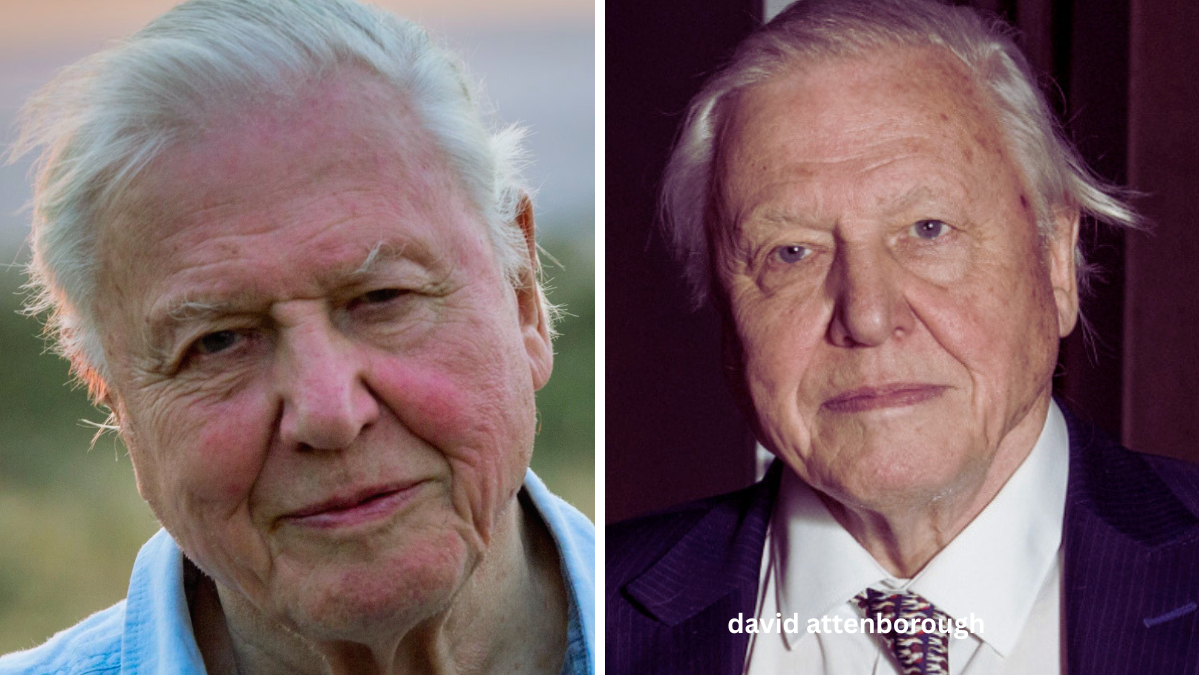
Few voices in modern history have carried the same warmth, wisdom, and quiet authority as David Attenborough. For generations, his documentaries have opened a window into the hidden corners of Earth, turning dense jungles, icy oceans, deserts, and forests into living stories that millions of viewers could understand and admire. His storytelling style feels deeply personal, almost as if a trusted guide is standing beside the audience and pointing toward the wonders of nature.
Over the decades, he has become much more than a broadcaster. He represents curiosity, patience, and respect for the natural world. While television personalities often rise and fade with trends, his influence has remained timeless because it is rooted in genuine passion. Audiences from different cultures, age groups, and backgrounds continue to connect with his work because it combines science with emotion in a way that feels authentic rather than forced.
The remarkable career of this legendary natural historian stretches across more than half a century. During that time, he helped transform wildlife filmmaking from simple observational footage into cinematic storytelling. His documentaries not only entertained audiences but also changed how people think about conservation, climate change, and humanity’s relationship with nature.
Many people first encountered wildlife through his narration. The calm tone, vivid descriptions, and sense of wonder created an experience that stayed with viewers long after the screen went dark. From remote islands to the deepest oceans, he has inspired millions to care about places they may never physically visit. That emotional connection is perhaps the greatest achievement of his career.
Early Life and Childhood Influences
The early years of David Attenborough reveal how curiosity can shape an entire lifetime. Born on May 8, 1926, in Isleworth, England, he grew up in an environment that encouraged learning and exploration. His father served as the principal of the University College Leicester, which exposed young David to academics, researchers, and intellectual conversations from an early age.
As a child, he developed a fascination with fossils, rocks, and insects. He spent countless hours collecting natural specimens and studying them carefully. While many children move from one hobby to another, his fascination with nature deepened with age. Those early experiences built the foundation for the career that later changed environmental broadcasting forever.
The England of his youth was very different from the fast-paced digital world of today. Outdoor exploration was a major part of childhood life, and he embraced it fully. Walks through forests, observations of birds, and discoveries along riverbanks gave him firsthand experiences that books alone could never provide. These moments taught him patience and observation, two skills that later became essential in wildlife filmmaking.
Education also played an important role in shaping his worldview. He studied natural sciences at the University of Cambridge, where he further developed his understanding of zoology and geology. Although his academic background was strong, what truly set him apart was his ability to communicate scientific ideas in an engaging and accessible way.
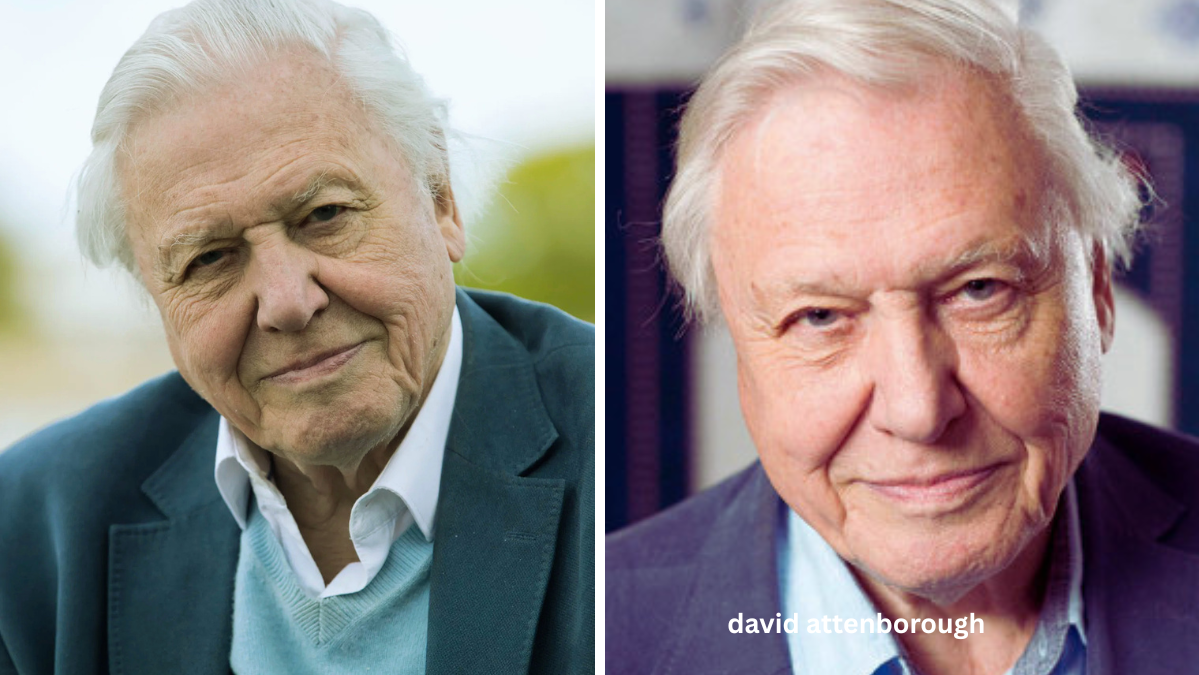
Journey Into Broadcasting
The path toward television success was not immediate. Before becoming a household name, David Attenborough worked in publishing and later joined the BBC in the early 1950s. At that time, television itself was still evolving, and wildlife programming was relatively limited.
His early experiences at the BBC introduced him to the technical side of broadcasting. Cameras were bulky, filming conditions were difficult, and travel logistics were far more complicated than they are today. Yet these challenges pushed creative teams to innovate. He quickly learned how storytelling, visuals, and sound could work together to create compelling television.
One of his first major breakthroughs came with the series “Zoo Quest.” Instead of simply presenting animals in captivity, the program followed real expeditions into remote environments. Audiences were fascinated because they were seeing wildlife in a more natural and adventurous context. The series combined travel, science, and exploration in a way that felt fresh and exciting.
“Zoo Quest” also demonstrated his remarkable on-screen presence. He did not rely on exaggerated drama or theatrical performance. Instead, his calm enthusiasm made viewers feel genuinely connected to the journey. That authenticity became one of his defining characteristics throughout his career.
The success of these early programs helped establish wildlife documentaries as an important television genre. More importantly, it proved that audiences were deeply interested in understanding the natural world when it was presented with passion and intelligence.
Transforming Nature Documentaries
Wildlife filmmaking changed dramatically because of the work of David Attenborough. Before his influence, many documentaries focused mainly on simple narration and observational footage. Over time, he helped turn the genre into a cinematic experience filled with emotional depth and scientific detail.
One of the greatest strengths of his productions has always been storytelling. Animals are not presented as distant creatures existing in isolation. Instead, viewers are invited into their daily struggles, migrations, survival strategies, and family dynamics. This narrative style creates emotional investment and encourages empathy for wildlife.
Technological innovation also played a major role in the evolution of his documentaries. His teams embraced new camera systems, underwater filming methods, aerial photography, and slow-motion techniques to capture behaviors that had rarely been seen before. These advancements allowed audiences to witness the natural world with extraordinary clarity.
The combination of breathtaking visuals and thoughtful narration elevated nature documentaries to mainstream popularity. Programs once considered educational niche content became global television events. Families gathered together to watch episodes that explored oceans, rainforests, deserts, and polar regions.
The impact extended beyond entertainment. Conservation organizations noticed that public awareness increased significantly after major documentary releases. Species that once received little attention suddenly became symbols of environmental protection. This connection between storytelling and activism became one of the most important aspects of his legacy.
Landmark Documentary Series
Throughout his career, David Attenborough has been associated with some of the most influential documentary series ever produced. These projects shaped public understanding of ecosystems and wildlife on a global scale.
Among the most celebrated productions is the “Life” series. Beginning with “Life on Earth,” the franchise explored the development and diversity of life across the planet. The series combined scientific rigor with stunning cinematography, creating an educational experience that remained accessible to general audiences.
Another groundbreaking production was “The Blue Planet.” Oceans had long remained mysterious to many viewers because underwater environments were difficult to film. This series revealed marine ecosystems in astonishing detail, from coral reefs to the deep sea. The emotional impact of these episodes helped strengthen public concern about ocean pollution and marine conservation.
“Planet Earth” became another defining achievement. With cinematic visuals and global scope, the series demonstrated how advanced technology could transform nature storytelling. Sweeping aerial shots, intimate animal encounters, and immersive sound design created a viewing experience unlike anything audiences had previously seen.
The success of these documentaries inspired other filmmakers and broadcasters worldwide. Nature programming became more ambitious, visually sophisticated, and emotionally engaging. The influence of these productions can still be seen across streaming platforms and international television networks today.
Major Documentary Series and Their Impact
| Documentary Series | Main Focus | Cultural Impact |
|---|---|---|
| Life on Earth | Evolution and biodiversity | Redefined educational television |
| The Blue Planet | Marine ecosystems | Increased awareness about ocean conservation |
| Planet Earth | Global habitats and wildlife | Elevated cinematic wildlife filmmaking |
| Frozen Planet | Polar regions | Highlighted climate change effects |
| Our Planet | Environmental challenges | Encouraged global conservation conversations |
These productions succeeded because they combined scientific credibility with emotional storytelling. Rather than lecturing audiences, they invited viewers to experience wonder and connection.
The Voice That Became Iconic
The narration style of David Attenborough is one of the most recognizable in broadcasting history. His voice carries calmness, authority, and genuine fascination, creating a sense of trust between narrator and audience.
Many narrators attempt to sound dramatic or overly emotional. His approach is different. He allows the beauty and intensity of nature to speak for itself while guiding viewers with thoughtful commentary. That restraint often makes emotional moments even more powerful.
A memorable quote from his work captures this philosophy perfectly:
“The natural world is the greatest source of excitement; the greatest source of visual beauty.”
This statement reflects the core idea behind his documentaries. Nature does not need artificial embellishment to feel extraordinary. The real challenge lies in helping audiences notice the wonder that already exists around them.
His narration style also makes complex scientific ideas easier to understand. Rather than overwhelming viewers with technical language, he translates information into vivid descriptions and relatable concepts. This ability to simplify without oversimplifying has been central to his popularity.
The emotional resonance of his voice has become deeply connected with people’s memories of learning about wildlife. For many viewers, hearing his narration immediately evokes images of forests, oceans, mountains, and rare animal encounters.
Conservation and Environmental Advocacy
As environmental concerns grew more urgent, David Attenborough increasingly focused on conservation advocacy. His documentaries gradually shifted from pure exploration toward environmental awareness and responsibility.
Climate change, deforestation, pollution, and biodiversity loss became recurring themes in his later work. Rather than presenting these issues through fear alone, he often emphasized the possibility of positive change through collective action and sustainable practices.
His message carries weight because it is grounded in decades of firsthand observation. Few individuals have witnessed environmental transformation on such a global scale. He has seen forests disappear, coral reefs decline, glaciers melt, and animal populations shrink over the course of his lifetime.
One particularly powerful quote reflects his perspective:
“Saving our planet is now a communications challenge.”
This statement highlights the importance of storytelling in environmental action. Scientific research alone is not always enough to inspire change. People must emotionally connect with the issues before they feel motivated to act.
His advocacy has reached political leaders, educators, scientists, and younger generations worldwide. Environmental conversations that once seemed distant or abstract became more personal and urgent because of his documentaries.
Importantly, his communication style avoids unnecessary hostility. Instead of condemning audiences, he encourages responsibility through empathy and awareness. This balanced tone has allowed his message to resonate across political and cultural divides.
Influence on Global Culture
The cultural impact of David Attenborough extends far beyond television. His work shaped how modern society views wildlife, ecosystems, and environmental responsibility.
Schools frequently use his documentaries as educational tools because they combine scientific information with engaging storytelling. Students who might struggle with textbooks often connect more easily with visual narratives and real-world examples.
Filmmakers and journalists have also cited him as a major influence. The success of cinematic wildlife documentaries inspired new generations of storytellers to pursue environmental media. Streaming services now invest heavily in nature content partly because he demonstrated its global appeal.
Internet culture has embraced his work as well. Clips from documentaries regularly circulate across social media platforms, introducing younger audiences to wildlife moments that inspire awe and curiosity. Memorable narration lines have become instantly recognizable cultural references.
Even comedy and entertainment programs occasionally reference his style, demonstrating how deeply embedded he has become in popular culture. Yet despite this widespread fame, he has maintained a reputation for humility and professionalism rather than celebrity spectacle.
His influence can also be measured by changing public attitudes toward conservation. Environmental awareness has grown significantly during the decades of his broadcasting career, and his documentaries played an important role in that cultural shift.
Challenges Behind Wildlife Filmmaking
The beauty audiences see on screen often hides the immense difficulty behind wildlife production. The documentaries associated with David Attenborough required extraordinary patience, technical skill, and logistical planning.
Film crews frequently spent months or even years waiting for brief moments of animal behavior. Capturing rare events demanded persistence and adaptability. Harsh weather, dangerous terrain, and unpredictable wildlife created constant challenges.
Technological limitations during earlier decades made the work even more demanding. Heavy cameras, limited battery life, and restricted transportation options complicated filming expeditions. Yet these obstacles encouraged creative problem-solving and innovation.
Modern productions continue to face ethical considerations as well. Responsible wildlife filmmaking requires minimizing disturbance to animals and ecosystems. His teams became known for prioritizing respectful observation rather than intrusive interference.
The emotional pressure of documenting environmental decline also affected many productions. Witnessing habitat destruction and species loss firsthand can be deeply difficult for filmmakers who spend years studying ecosystems.
Despite these challenges, the dedication behind the documentaries reflects a larger mission: helping audiences appreciate the natural world deeply enough to protect it.
Relationship With Science and Education
One reason David Attenborough remains highly respected is his close relationship with scientific communities. His documentaries are built on research, collaboration, and accuracy rather than sensationalism.
Scientists often work closely with production teams to ensure that animal behaviors, environmental processes, and ecological relationships are presented correctly. This partnership between media and science strengthened the educational value of his programs.
His work demonstrates that scientific communication does not need to feel dry or inaccessible. By combining expertise with emotional storytelling, he helped bridge the gap between academic research and public understanding.
Universities, museums, and conservation organizations frequently collaborate with documentary filmmakers because visual storytelling can reach audiences far beyond traditional academic circles. His career proved that mass media can support scientific literacy rather than weaken it.
Young viewers have also been inspired to pursue careers in biology, ecology, filmmaking, and conservation because of his influence. Countless researchers and environmental advocates credit his documentaries for sparking their initial curiosity about nature.
Education through storytelling remains one of his most enduring achievements. Rather than presenting information as a lecture, he invites audiences to experience discovery for themselves.
Memorable Wildlife Encounters
Across decades of exploration, David Attenborough experienced countless unforgettable moments with wildlife. Some encounters became iconic scenes in television history.
One famous example involved gorillas in Rwanda, where his calm interaction with the animals created an intimate and emotional sequence. Instead of appearing fearful or distant, the moment highlighted the intelligence and gentleness of these creatures.
Another memorable sequence featured birds-of-paradise performing elaborate courtship displays in tropical forests. These scenes captivated viewers because they revealed behaviors so extraordinary that they almost seemed fictional.
Marine encounters also produced remarkable moments. Deep-sea creatures, glowing organisms, and massive whale migrations revealed ecosystems rarely witnessed by ordinary audiences. Such scenes expanded public understanding of life beneath the ocean surface.
Not every encounter involved beauty alone. Predation, survival struggles, and environmental destruction also became important parts of the storytelling. By presenting nature honestly, the documentaries avoided romanticizing ecosystems while still celebrating their complexity.
These experiences contributed to a broader understanding of biodiversity. Audiences realized that Earth contains extraordinary forms of life that deserve admiration and protection.
The Emotional Power of Nature Storytelling
One of the defining strengths of David Attenborough lies in emotional storytelling. His documentaries succeed not only because they inform viewers but because they make people feel connected to the living world.
A penguin crossing dangerous ice, a baby turtle reaching the sea, or a lion protecting its cubs can evoke powerful emotions. These moments remind audiences that survival, family, struggle, and resilience exist throughout the animal kingdom.
Music, pacing, cinematography, and narration work together to create immersive experiences. Rather than simply observing wildlife, viewers feel emotionally involved in the journey unfolding on screen.
This emotional engagement matters because people are more likely to protect what they value emotionally. Conservation campaigns become stronger when audiences form genuine connections with ecosystems and species.
Another memorable quote captures his perspective beautifully:
“People must feel that the natural world is important and valuable and beautiful and wonderful and an amazement to them.”
That philosophy explains why his documentaries resonate so deeply. They encourage appreciation before demanding action.
Legacy Across Generations
The legacy of David Attenborough spans multiple generations. Grandparents, parents, and children have all experienced his documentaries during different stages of life.
Unlike many television personalities tied to specific eras, his relevance continued because nature itself remains timeless. Each new generation discovers his work and finds meaning in it through contemporary environmental concerns.
His influence extends into digital streaming platforms, educational programs, conservation campaigns, and social media culture. Documentary filmmaking has evolved technologically, but the storytelling principles he championed remain central to the genre.
Awards and honors recognize his achievements, yet his greatest accomplishment may be the emotional relationship audiences developed with the natural world because of his work. Millions of people began paying closer attention to wildlife, ecosystems, and environmental responsibility through his documentaries.
Younger environmental activists often cite his influence when discussing climate awareness and conservation values. His ability to communicate across age groups continues to make him uniquely impactful.
Even as media consumption habits change rapidly, audiences still respond to authenticity, curiosity, and wonder. Those qualities define his legacy.
Modern Relevance in a Changing World
The modern environmental crisis has made the work of David Attenborough more relevant than ever. Climate change, habitat destruction, plastic pollution, and species extinction are no longer distant concerns. They affect ecosystems and human communities worldwide.
His recent documentaries increasingly emphasize urgency while still maintaining hope. Rather than presenting environmental collapse as inevitable, they highlight solutions such as renewable energy, sustainable agriculture, marine protection, and reforestation.
This balance between realism and optimism is important. Constant fear can leave audiences feeling powerless, while informed hope encourages action. His storytelling often focuses on the idea that meaningful change remains possible if societies act collectively.
Technological advancements have also expanded the reach of his message. Streaming services allow documentaries to reach global audiences instantly. High-definition visuals and advanced sound design create immersive experiences that strengthen emotional impact.
At the same time, misinformation and short attention spans create new communication challenges. His calm, evidence-based approach stands out in an era often dominated by sensationalism and polarized debates.
The enduring popularity of his documentaries suggests that audiences still value thoughtful storytelling rooted in expertise and sincerity.
Conclusion
The extraordinary career of David Attenborough represents far more than television success. It reflects a lifelong commitment to curiosity, education, and environmental understanding. Through decades of exploration and storytelling, he transformed how humanity sees the natural world.
His documentaries introduced millions of people to ecosystems they might never otherwise encounter. Forests, oceans, deserts, mountains, and polar regions became emotionally meaningful because of the stories he helped tell. That emotional connection inspired greater awareness about conservation and environmental responsibility.
What makes his legacy especially remarkable is the balance between scientific credibility and human warmth. He never relied on exaggerated drama or artificial spectacle. Instead, he trusted the natural world to provide wonder on its own. That authenticity created trust and admiration across generations.
As global environmental challenges continue to grow, his message remains deeply important. Protecting biodiversity and preserving ecosystems are no longer optional concerns reserved for scientists alone. They are essential responsibilities shared by societies worldwide.
The enduring influence of his work proves that storytelling can change perspectives, inspire action, and strengthen humanity’s relationship with nature. Few individuals have done more to help people appreciate the fragile beauty of life on Earth.
FAQ
Who is David Attenborough?
David Attenborough is a British broadcaster, natural historian, and documentary filmmaker widely known for creating influential wildlife and environmental documentaries. His career spans more than seven decades, making him one of the most respected voices in nature broadcasting.
Why is David Attenborough so famous?
He became famous because of his groundbreaking wildlife documentaries and his ability to explain nature in a calm, engaging, and educational way. His narration style, combined with stunning cinematography, helped millions of viewers connect emotionally with wildlife and ecosystems around the world.
What are some famous documentaries by David Attenborough?
Some of his most celebrated documentary series include “Planet Earth,” “The Blue Planet,” “Life on Earth,” “Frozen Planet,” and “Our Planet.” These productions are known for combining scientific insight with cinematic storytelling.
How did David Attenborough influence conservation awareness?
His documentaries highlighted the beauty of nature while also exposing environmental threats such as climate change, pollution, and habitat destruction. By emotionally connecting audiences with wildlife, he helped increase public awareness about conservation and sustainability.
What makes David Attenborough’s narration unique?
His narration is known for its calm tone, authenticity, and emotional depth. Rather than sounding overly dramatic, he allows the natural world to remain the focus while guiding audiences with thoughtful explanations and vivid storytelling.
Is David Attenborough involved in climate change advocacy?
Yes, environmental advocacy became an increasingly important part of his work over time. He has spoken extensively about climate change, biodiversity loss, and the urgent need for global environmental action through documentaries, speeches, and public campaigns.
Why do younger generations still connect with David Attenborough?
Younger audiences continue to appreciate his work because the themes of nature, conservation, and environmental responsibility remain highly relevant. Modern streaming platforms and social media have also introduced his documentaries to new viewers around the world.