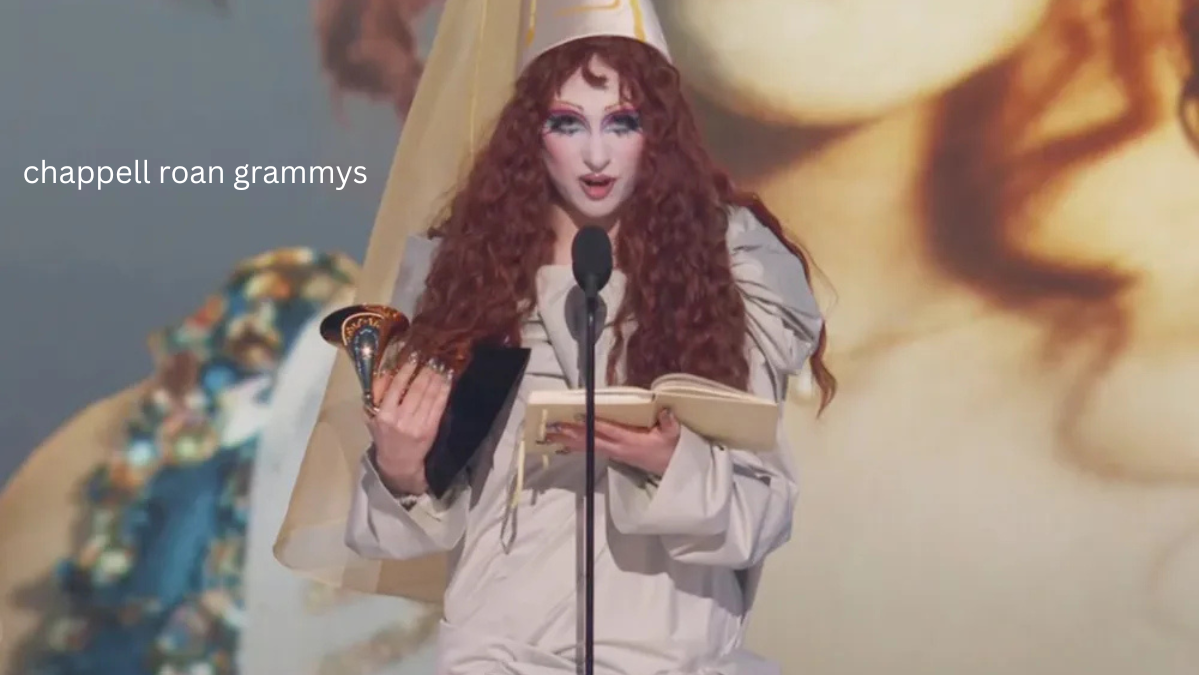
In the ever-shifting landscape of popular music, the road to the Grammys is often paved with years of industry grooming, calculated singles, and strategic marketing. Then, every so often, an artist emerges who seems to bypass the traditional playbook entirely, capturing the cultural zeitgeist with such vibrant, undeniable force that the music establishment has no choice but to take notice. Enter Chappell Roan. From viral moments on social media to commanding sold-out tours, her journey from a budding singer-songwriter to a bona fide pop sensation has been nothing short of spectacular. The inevitable question now echoing through music circles isn’t if she’ll grace the Grammy stage, but when and with what seismic impact. Her story intertwines artistic authenticity with theatrical flair, creating a narrative that the Recording Academy, and the world, finds increasingly irresistible.
The Grammy Awards, for all their occasional controversies, remain the most prominent benchmark of mainstream musical achievement. Earning a nomination, let alone a statuette, can redefine an artist’s career, offering a stamp of legitimacy that resonates far beyond core fanbases. For Chappell Roan, whose ascent has been fueled by a deeply personal connection with her audience, Grammy recognition would represent a fascinating convergence. It would be the industry’s formal embrace of an artist who built her kingdom not from the top down, but from the ground up—through raw, emotionally charged performances, a fiercely loyal community, and an aesthetic that celebrates queer joy and unapologetic self-expression. This isn’t just about awards; it’s about the validation of a new kind of pop star.
The Artistic Alchemy of Chappell Roan and Grammy Recognition
To understand the potential Grammy trajectory of Chappell Roan, one must first dissect the unique artistic alchemy she possesses. Her music is a carefully crafted, yet explosively fun, concoction. At its core, it’s rooted in the classic tradition of pop storytelling—lyrics that detail heartbreak, desire, and self-discovery with startling specificity. This strong songwriting foundation, reminiscent of the craft honored by the Academy in categories like Song of the Year, is then draped in lush, 80s-inspired synth-pop arrangements and theatrical vocal deliveries. Tracks like “Good Luck, Babe!” and “Hot to Go!” are more than songs; they are mini-narratives, complete with character, conflict, and climactic hooks. This marriage of substantive writing with irresistible melody creates a potent argument for Grammy consideration, appealing to both the pop sensibilities and the songwriter-respecting factions of the voting body.
Furthermore, Chappell Roan’s entire artistic package extends far beyond the recording studio. Her Grammy case is bolstered by a visual and performative universe that is utterly cohesive. The wigs, the glitter, the vintage-inspired costumes—every element is a deliberate extension of her sonic world. In an era where the Best Music Video and Best Pop Solo Performance categories often reward such holistic vision, Roan’s work stands out. Her performances are not mere singing; they are immersive experiences, channeling the glamour of bygone eras while feeling fiercely contemporary. This complete artistic control and unmistakable identity make her not just a singer, but an artist in the full sense of the word, a distinction the Grammys have increasingly sought to recognize in newcomers who push boundaries while demonstrating clear mastery of their craft.
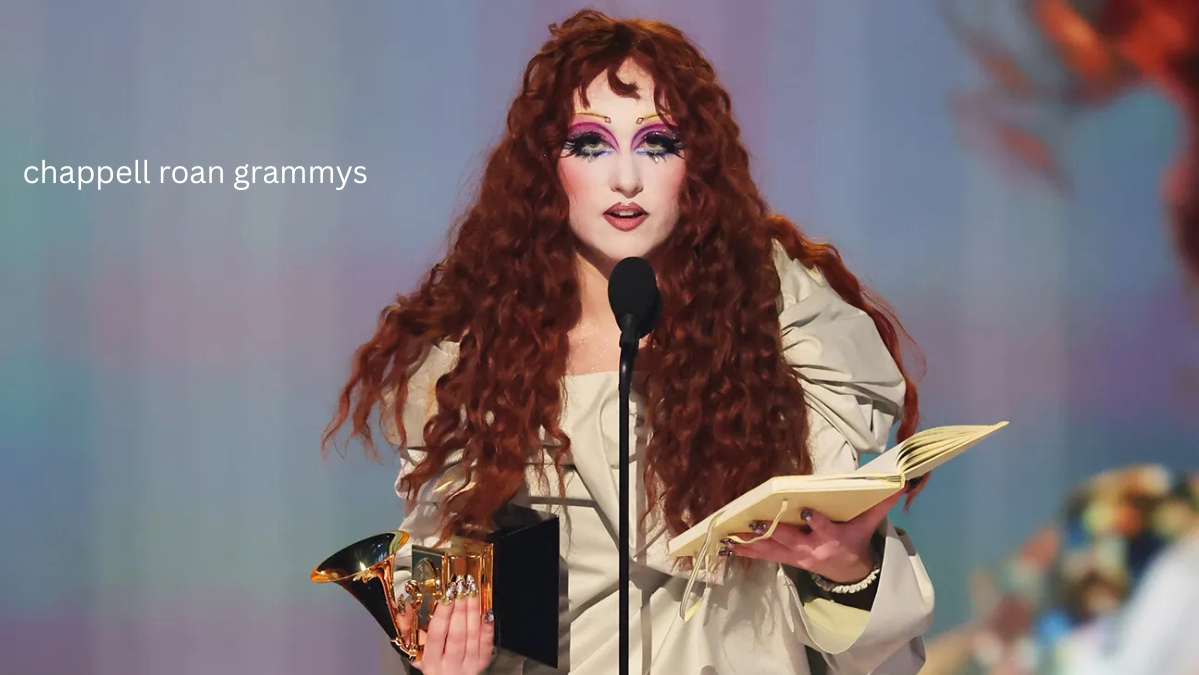
Chappell Roan Live Presence: A Grammy-Worthy Spectacle
While recorded music is the primary currency of the Grammys, the energy an artist generates in the live sphere has always influenced their industry footprint. Chappell Roan’s live presence isn’t just a component of her success; it’s the beating heart of it. Her concerts have rapidly evolved from club gigs to theater sell-outs to major festival highlights, described less as concerts and more as euphoric, communal celebrations. This reputation for transformative live performance is a critical, if intangible, asset. Members of the Recording Academy are voters, but they are also industry professionals who attend shows and feel cultural shifts. The buzz from a landmark Coachella set or a triumphant hometown show reverberates through the industry, creating a narrative of an artist who is not just heard, but felt.
This prowess directly translates to specific Grammy opportunities. The category for Best Pop Vocal Album, for instance, considers the overall achievement of a cohesive body of work, something Roan’s debut album exemplifies with its narrative arc and sonic consistency. More pointedly, a standout live performance of a single like “Pink Pony Club” or “My Kink is Karma” makes a compelling case for Best Pop Solo Performance, a category that rewards vocal ability and artistic interpretation. When an artist can deliver a song with the same—or greater—power and nuance as the studio version, it underscores their technical skill and emotional authenticity. Chappell Roan’s stagecraft proves she is not a product of studio magic, but a formidable performer capable of commanding any stage, including the potentially daunting one at the Grammy Awards ceremony itself.
Building a Legacy Beyond the Stage: Chappell Roan Cultural Imprint
The conversation around Chappell Roan and awards often focuses on music and performance, but her impact is weaving itself into the broader cultural fabric in a way that the modern Grammys cannot ignore. She has emerged, whether by explicit design or organic evolution, as a significant figure and ally within the LGBTQ+ community. Her music videos, aesthetics, and lyrical themes openly celebrate queer identity and joy, providing anthems and a sense of belonging for a vast audience. In an industry and at an awards show increasingly conscious of representation and social impact, this cultural resonance adds a profound layer to her artistic profile. It transforms her work from entertainment to a touchstone, giving it weight and relevance that extends beyond charts and streams.
This cultural footprint is evident in the makeup of her fanbase, the “Roanies,” a dedicated and visibly passionate community. Their engagement—creating fan art, organizing pre-concert events, and championing her music online—demonstrates a level of connection that metrics alone cannot capture. For Grammy voters looking at the broader picture, this signals an artist with staying power and deep cultural integration. It suggests that her music is achieving one of the highest forms of success: it matters deeply to people’s lives. Furthermore, her savvy use of platforms like TikTok to connect authentically, share snippets of her journey, and even confront industry challenges head-on, paints the picture of a modern, self-aware artist building a sustainable career. This holistic success story—one of cultural impact, community building, and artistic integrity—is precisely the kind of narrative that elevates an artist from being a nominee to becoming a memorable and meaningful winner.
The Road Ahead and the Inevitable Conversation
As the music industry cycles toward another Grammy eligibility period, the speculation around Chappell Roan’s prospects will intensify. The path to a nomination is never guaranteed, fraught with the complexities of voter tastes, campaign strategies, and the sheer volume of exceptional music released each year. However, Roan finds herself in an enviable and powerful position. She has the critical acclaim from music publications, the commercial success of sold-out tours and streaming milestones, and the undeniable cultural moment that surrounds her. These are the three pillars upon which Grammy campaigns are built. The question may shift from “Is she Grammy material?” to “Which categories will she potentially dominate?”
The likely starting points would be within the pop field. A nomination for Best Pop Vocal Album for her debut would be a logical acknowledgement of her complete artistic statement. Singles like “Good Luck, Babe!” present strong cases for both Record of the Year (honoring the overall recording) and Song of the Year (honoring the songwriting). A nomination in either of these general field categories would be a seismic event, signaling her arrival in the industry’s absolute upper echelon. Beyond that, her visual artistry makes her a natural contender for Best Music Video. Each possibility underscores a different facet of her talent, from songcraft to production to visual storytelling.
Conclusion: More Than a Gold Statue
Ultimately, the discourse surrounding Chappell Roan and the Grammys is about more than the pursuit of a gold-plated trophy. It is a lens through which to examine how the music industry recognizes and validates new modes of stardom. Her journey challenges the old guard, proving that an artist can build a monumental career on their own terms—through authenticity, theatricality, and a genuine bond with their audience—and still command the attention of the most established institutions. Whether the Grammy nominations come this year or the next, her trajectory has already altered the pop landscape.
The true victory for Chappell Roan is already in hand. It lives in the screams of a crowd singing every word back to her, in the safe space of joy her concerts create, and in the bold, glitter-drenched statement that her very presence makes. Grammy recognition would be a glorious crescendo to this chapter of her story, a formal welcome from the music industry’s highest podium. But it would be a confirmation, not a creation, of her status. She has already built her throne; the Grammys would simply be placing it center stage for the whole world to see. Her legacy, defined by courage, joy, and impeccable pop sensibility, is already being written, one unforgettable performance at a time.
FAQs About Chappell Roan and the Grammys
Has Chappell Roan ever been nominated for a Grammy?
As of the latest Grammy ceremonies, Chappell Roan has not yet received a nomination. However, given the explosive success of her debut album and standout singles, she is widely considered a strong potential nominee for upcoming award cycles.
What Grammy categories would Chappell Roan most likely be nominated in?
Based on her work, the most likely categories fall within the Pop Field, such as Best Pop Vocal Album, Best Pop Solo Performance, and Best Music Video. Given the impact of her songwriting, general field nominations for Song of the Year or Record of the Year are also distinct possibilities.
How do Grammy voters typically view artists who rise to fame through viral and social media success?
The Grammy voting process has evolved significantly. While traditional industry pathways were once paramount, the Academy now actively seeks to reflect the current musical landscape. An artist’s ability to generate massive organic buzz, sustain a dedicated fanbase, and demonstrate musical talent—as Roan has—is now a powerful asset, not a detriment.
Does Chappell Roan’s theatrical, persona-driven style help or hurt her chances with the Grammys?
It overwhelmingly helps. The Grammys have a history of celebrating artists with strong, cohesive artistic identities and visual presentations (e.g., Lady Gaga, David Bowie, Beyoncé). Roan’s fully realized aesthetic demonstrates comprehensive artistry and creative vision, which are highly valued.
When will we know if Chappell Roan is nominated for a Grammy?
Grammy nominations are typically announced in mid-to-late November each year, for the ceremony held the following January or February. Announcements are made via a live-streamed event and widely reported across music and entertainment news platforms.